
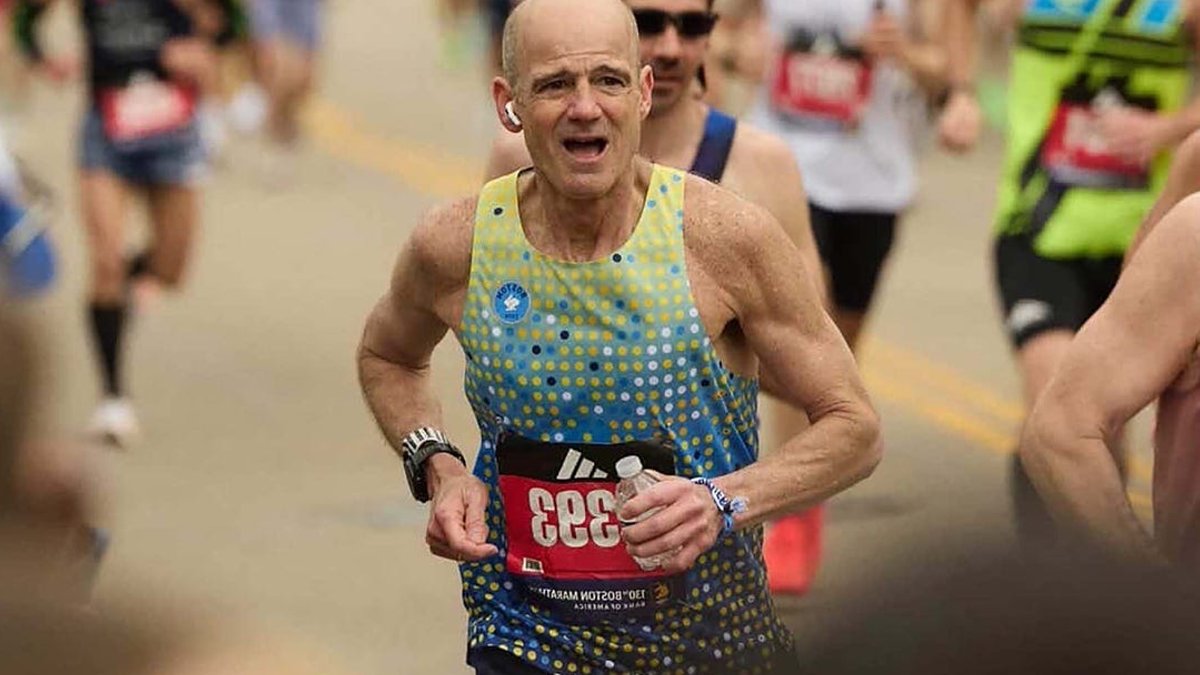
At 60, a runner can still set personal bests, as demonstrated by a marathoner who recently clocked a time of 2:48:16 at Boston.
Training with a Community
The athlete credits his progress to the support of a local running group, Breakfast Club Runners, which helped him transition from solo runs to long distances. He initially joined the Nazareth, Pennsylvania, group after a friend invited him to keep running for the first time in 30 years. At that point, logging 10 miles seemed impossible, but showing up consistently allowed his body to adapt.
His improvement accelerated when he began training with experienced runners like Chris Mertz, who has finished 32 consecutive Boston Marathons. He also worked with Michael Browne, a cross-country coach, to structure his training effectively. A physical therapist helped address a nagging knee injury by prescribing hip and glute strengthening exercises, which prevented him from abandoning the sport.
This environment mirrors the camaraderie he felt in Germany during the 1980s, where running was paired with social activities. The current group provides both the technical advice necessary for improvement and the social aspect that keeps the effort enjoyable.
Related: Runners Rejoice Over Smartwool Active Shorts Design
Performance Gear and Footwear
Runners Rejoice Over Smartwool Active Shorts Design.
The athlete emphasizes the importance of a structured strength program, specifically citing the “TB12” methodology, which focuses on core stability and leg strengthening through resistance bands. He integrates specific movements such as single-leg Romanian deadlifts, hip thrusts, side planks, and chair squats to address weak links in his muscle groups. This regimen has been essential for managing the physical toll of longer distances, such as the 20-mile runs required for marathon preparation.
Technological tools have further refined his training approach. Utilizing access to a middle school track, he implements speedwork, including intervals like 200-meter sprints, to improve his pace. Additionally, he employs artificial intelligence to generate workout variations, ensuring his training remains dynamic and tailored to his performance goals. By tracking metrics like VO2 max, marathon shape, and endurance scores, he maintains a realistic perspective on his capabilities, avoiding the common pitfalls of overexertion.


