
“`html
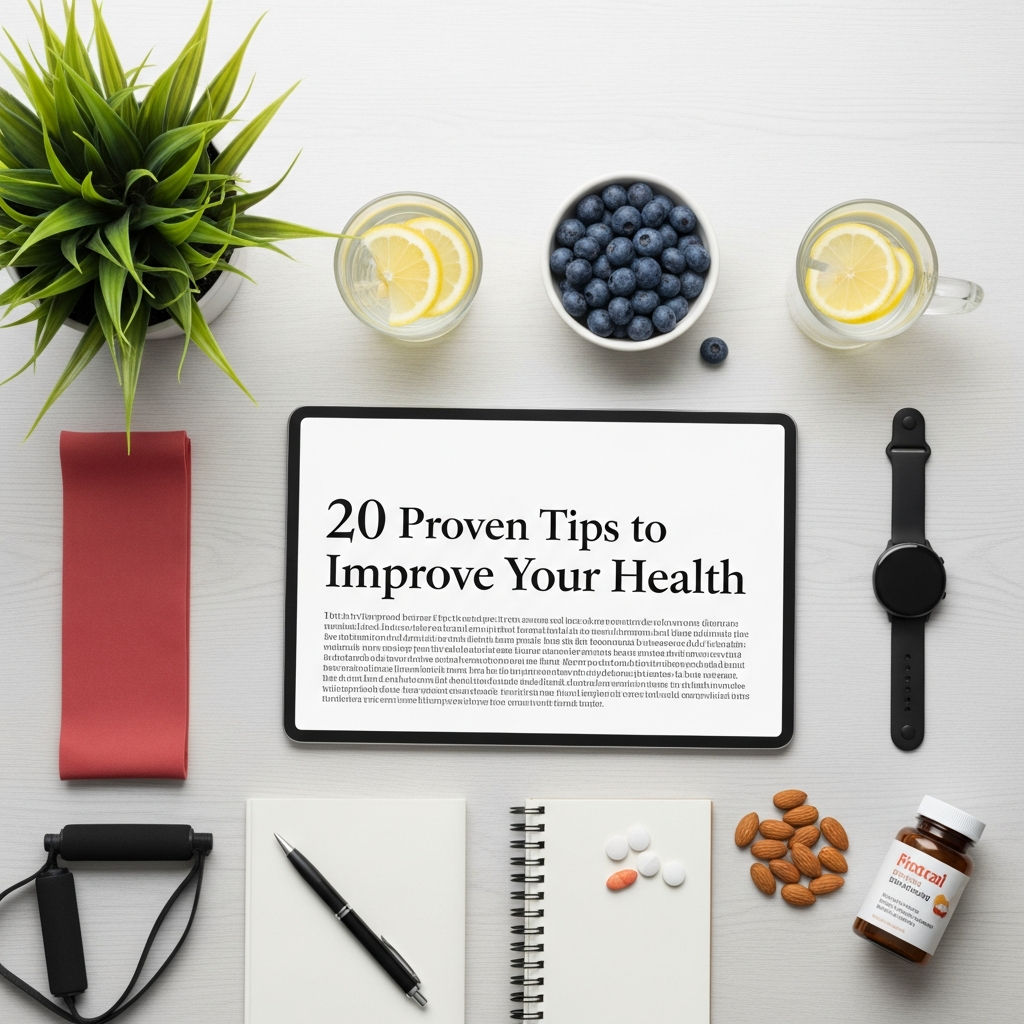
20 Proven Tips to Improve Your Health: The Latest Science-Backed Strategies
In an era where health information is everywhere, staying updated with the latest “health news” can feel overwhelming. However, improving your well-being doesn’t require a complete life overhaul overnight. According to the latest medical research and nutritional science, small, consistent changes often yield the most significant long-term results. Whether you are looking to boost your energy, sharpen your mental clarity, or increase your longevity, these 20 proven tips provide a roadmap to a healthier version of yourself.
1. Prioritize Whole, Unprocessed Foods
The foundation of good health starts in the kitchen. Modern health news consistently highlights the dangers of ultra-processed foods, which are linked to inflammation and chronic disease. Focus on “real” foods—vegetables, fruits, nuts, seeds, lean proteins, and whole grains. These foods are packed with the fiber and micronutrients your body needs to function optimally.
2. Master the Art of Hydration
Every cell in your body requires water to function. Dehydration can lead to brain fog, fatigue, and even overeating. Aim for at least 8-10 glasses of water a day, and more if you are active. Pro-tip: Carry a reusable water bottle to remind yourself to sip throughout the day.
3. Incorporate Strength Training
Cardio is great, but muscle is the “organ of longevity.” As we age, we naturally lose muscle mass. Incorporating resistance training at least twice a week helps maintain bone density, boosts metabolism, and improves insulin sensitivity.
4. Focus on Gut Health
The “second brain” lives in your gut. Health news today frequently discusses the microbiome’s role in immunity and mental health. Eat fermented foods like yogurt, kimchi, and sauerkraut, and ensure you get plenty of prebiotic fiber from onions, garlic, and bananas to feed your good bacteria.
5. Practice the 80/20 Rule
Perfection is the enemy of progress. Follow the 80/20 rule: eat nutritious, whole foods 80% of the time, and allow yourself flexibility for treats the other 20%. This prevents the “binge and restrict” cycle and promotes a healthy relationship with food.
6. Prioritize Sleep Hygiene
Sleep is when your body repairs itself. Lack of sleep is linked to weight gain, heart disease, and decreased cognitive function. Create a “sleep sanctuary” by keeping your room cool, dark, and gadget-free. Aim for 7–9 hours of quality rest per night.
7. Limit Added Sugars
One of the most impactful health news updates in recent years is the direct link between high sugar consumption and metabolic syndrome. Check labels for hidden sugars in sauces, dressings, and “healthy” snacks. Reducing sugar stabilizes your energy levels and reduces systemic inflammation.
8. Take a Daily Walk
You don’t need a gym membership to stay fit. A brisk 30-minute walk daily can lower your risk of cardiovascular disease, improve your mood, and aid digestion. It is one of the simplest yet most effective forms of exercise available.
9. Practice Mindfulness and Meditation
Mental health is just as important as physical health. Chronic stress triggers cortisol, which can lead to belly fat and anxiety. Spending just five to ten minutes a day in silent meditation or deep breathing can reset your nervous system.
10. Optimize Your Vitamin D Levels
Often called the “sunshine vitamin,” Vitamin D is crucial for immune function and bone health. Many people are deficient, especially in northern climates. Ask your doctor for a blood test and consider a supplement or safe sun exposure.
11. Increase Your Fiber Intake
Most people fall short of the recommended 25–30 grams of fiber daily. Fiber helps regulate blood sugar, lowers cholesterol, and keeps your digestive system moving. Sources include beans, lentils, raspberries, and chia seeds.

12. Limit Liquid Calories
Sodas, energy drinks, and even excessive fruit juices can add hundreds of empty calories to your diet without making you feel full. Stick to water, herbal teas, or black coffee to keep your caloric intake in check.
13. Practice Mindful Eating
In our fast-paced world, we often eat while distracted by screens. This leads to overeating because the brain doesn’t register fullness signals. Try to eat without distractions, chewing slowly and savoring each bite.
14. Maintain Social Connections
Loneliness is a significant health risk, sometimes compared to smoking 15 cigarettes a day. Regularly engaging with friends, family, or community groups can lower stress and increase your lifespan.
15. Use the “Stand Up” Rule
Sitting is often called the “new smoking.” If you work a desk job, set a timer to stand up and stretch every 30 to 60 minutes. Use a standing desk if possible to keep your circulation active.
16. Cook More at Home
When you cook your own meals, you have total control over the ingredients. Restaurant meals are often loaded with excess sodium and unhealthy fats. Mastering a few simple, healthy recipes can transform your health profile.
17. Manage Your Screen Time
Excessive blue light from phones and computers can disrupt your circadian rhythm and cause eye strain. Set boundaries for your digital life, especially in the hour before bed, to improve your mental clarity and sleep quality.
18. Don’t Skip Your Annual Check-ups
Preventative medicine is the best medicine. Regular blood work and screenings can catch potential issues like high blood pressure or high cholesterol before they become serious problems. Stay proactive with your healthcare provider.
19. Embrace Cold Exposure
Emerging health news suggests that brief exposure to cold—such as a 30-second cold blast at the end of your shower—can boost circulation, improve mood, and enhance metabolic rate through the activation of “brown fat.”
20. Be Kind to Yourself
Health is a journey, not a destination. There will be days when you miss a workout or eat “off-plan.” The key to long-term success is consistency, not perfection. Forgive yourself, learn from the experience, and get back on track with your next meal or movement.
Summary of Daily Habits
- Morning: Hydrate with 16oz of water and get 10 minutes of natural sunlight.
- Afternoon: Take a walking break and choose a high-protein lunch.
- Evening: Disconnect from screens an hour before bed and practice deep breathing.
The Importance of Staying Informed
Staying updated with health news is vital because science is always evolving. What we knew about nutrition ten years ago has been refined by newer, more rigorous studies. By following these 20 proven tips, you are leveraging current knowledge to build a foundation of vitality. Remember, the best time to start improving your health was yesterday; the second best time is today.
Conclusion
Improving your health doesn’t have to be a daunting task. By focusing on these 20 actionable steps—ranging from nutrition and movement to mental well-being and lifestyle habits—you can make meaningful progress toward a more vibrant life. Start with one or two tips this week and gradually build upon them. Your future self will thank you.
“`