
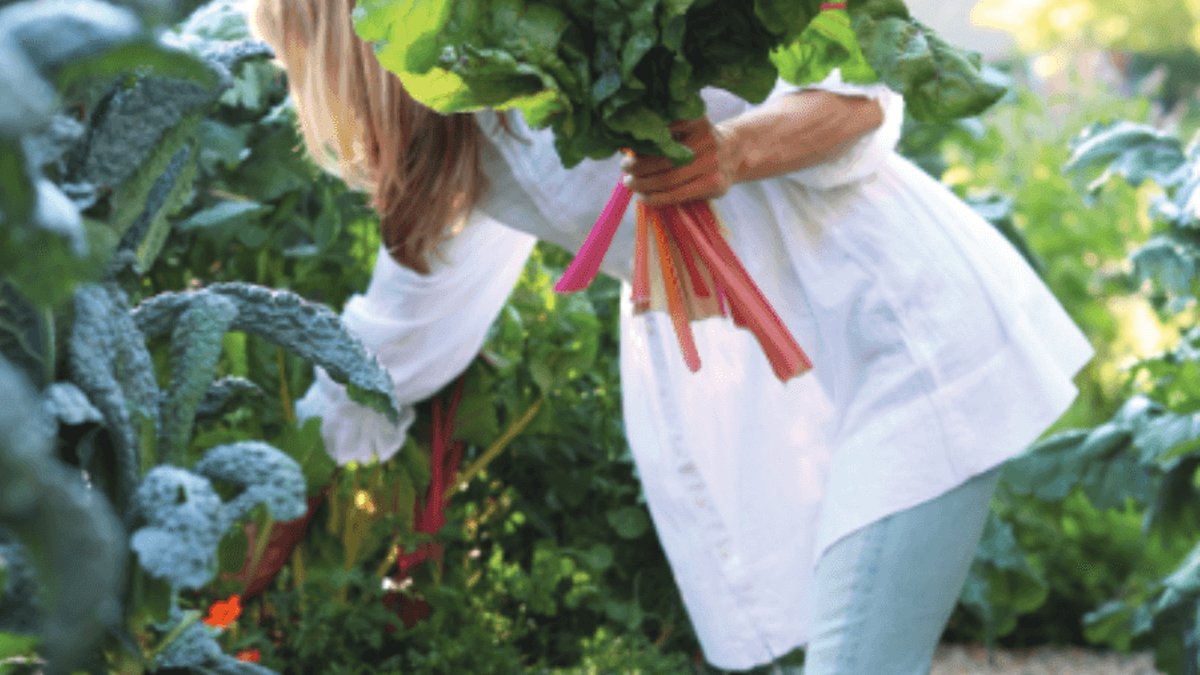
Growing your own salad greens can be as simple as planting a few seeds in a sunny corner of the yard and harvesting fresh leaves within weeks.
Choosing Varieties for a Home Garden
The world of leafy greens stretches far beyond the familiar iceberg and romaine. Most of the plants that make up a salad belong to three main families. The Asteraceae family supplies the classic lettuce types—romaine, iceberg, butterhead and buttercrunch—plus radicchio, which adds a slightly bitter note. These varieties thrive when temperatures stay between the freezing point and about 75 °F, making them well‑suited to early spring or fall planting.
Members of the Brassicaceae, often called the “dark greens,” bring deeper colors and a range of textures. Arugula, kale, collards, mustard greens and cabbage all fall in this group. Many can tolerate light frost, so gardeners can sow them as soon as the soil is workable and keep harvesting well into winter. Kale and collards are biennials, meaning they can survive for two growing seasons if conditions stay favorable.
The Amaranthaceae family includes spinach, Swiss chard and beet greens. These plants are prized for their vivid pigments and high antioxidant content. Like kale, Swiss chard is a biennial, allowing a longer harvest window. Even limiting yourself to these three families already offers more variety than most supermarket shelves.
Related: Taming the Digital Healthcare Data Tsunami
For those who want to stretch the palate further, lesser‑known families add interesting flavors. Nasturtium from the Tropaeolaceae family provides peppery leaves and edible flowers, while New Zealand spinach of the Aizoaceae family tolerates heat better than true spinach. Malabar spinach, a climbing vine in the Basellaceae family, and sorrel from the Polygonaceae family bring tangy, citrus‑like notes to mixed salads.
Sunlight, Water, and Pest Management
They grow quickly.
From a practical standpoint, the ability to harvest baby greens within thirty days and larger heads by forty‑five days means a kitchen garden can become a reliable source of salad ingredients without the wait associated with larger vegetable crops. Home‑grown lettuce stays crisp longer than store‑bought heads, which often spend days in transit and on shelves before reaching the consumer.
For people living in apartments or homes with limited outdoor space, the takeaway is clear: you don’t need an expansive plot to enjoy the benefits of fresh greens. A modest raised bed or even a large container placed on a balcony can host a mix of lettuce, arugula and kale, delivering nutritious meals while reducing reliance on plastic‑wrapped produce.


