
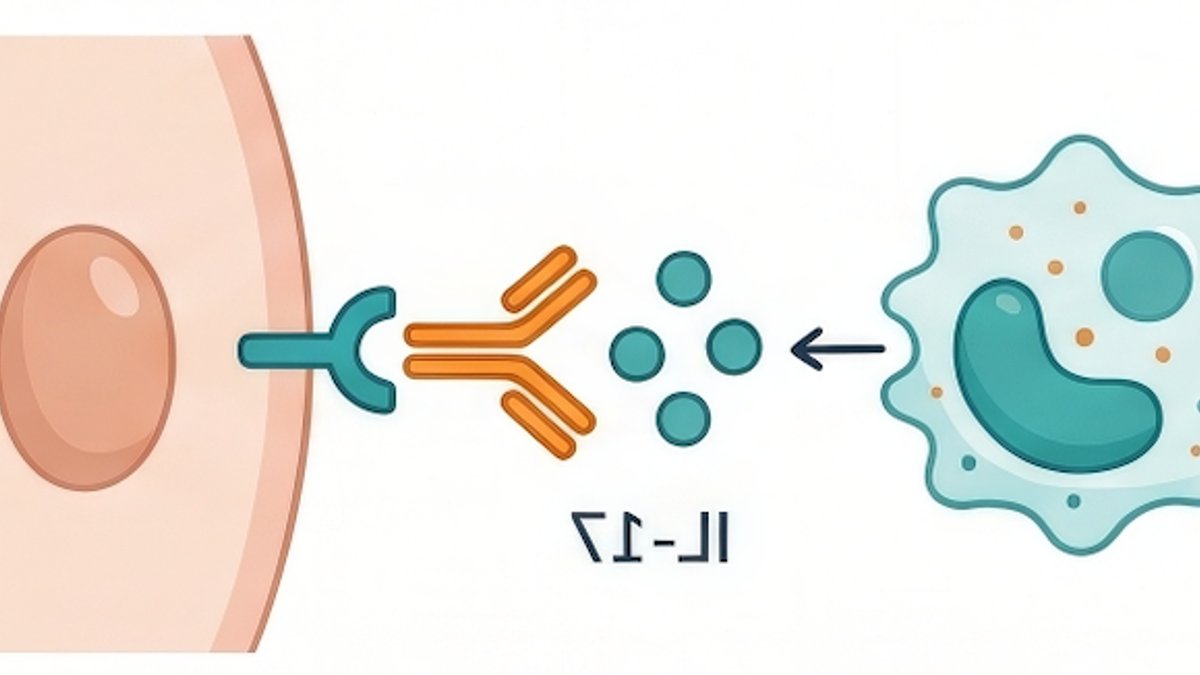
A recent review published in JAMA Dermatology suggests that IL-17 inhibitors, commonly used to treat hidradenitis suppurativa (HS), carry a low risk of causing inflammatory bowel disease (IBD). The study, led by Dr. Ahuva Cices of the Icahn School of Medicine at Mount Sinai, analyzed data from 10 randomized clinical trials, 11 nonrandomized trials, and three case reports. The researchers conducted their review by searching databases like PubMed, Embase, and the Cochrane Center Register of Controlled Trials, applying rigorous criteria to identify relevant studies.
Study Finds No Significant Increase in IBD Cases
The review found that among 2,572 patients with HS treated with IL-17 inhibitors, six developed IBD during the trials. In contrast, none of the 1,066 patients receiving a placebo developed IBD. However, this difference did not meet statistical standards for a true difference. Dr. Cices and her team noted that after week 16 of the trials, between weeks 16 and 52, there were two new cases of IBD in patients treated with Bimzelx and one new case among those treated with Cosentyx. The relatively small sample size and inconsistent reporting of cases limited interpretation of the results, highlighting the need for further research.
Dr. Cices and her team emphasized that while the risk appears low, it is not entirely absent. They recommended that clinicians obtain a full gastrointestinal history from HS patients without known IBD before starting IL-17 inhibitor treatment and monitor them for gastrointestinal symptoms.
Biological Plausibility of IBD Risk
The review included trials evaluating drugs like Bimzelx (bimekizumab), Cosentyx (secukinumab), and experimental treatments such as sonelokimab and izokibep. The nonrandomized studies, which included 469 patients, reported seven new cases of IBD, with most occurring in patients treated with Cosentyx. Additionally, Siliq (brodalumab), approved for plaque psoriasis but not HS, was evaluated in the nonrandomized trials, with no patients developing IBD.
Limitations and Considerations
The researchers acknowledged limitations in both randomized and nonrandomized trials. Nonrandomized studies showed a higher incidence rate of IBD but had broader inclusion criteria and less strict exclusion of patients with prior IBD. Conversely, randomized trials may underestimate the risk due to their shorter duration and stricter exclusion criteria. The nonrandomized trials included patients with a wider range of conditions, while randomized trials often excluded those with higher IBD risk, potentially skewing results.
Two of the three case reports included in the review described patients who developed colitis after being treated with Cosentyx. These findings show the need for careful patient monitoring and further research to better understand the potential risks associated with IL-17 inhibitors.
Clinical Implications
While the study provides reassuring evidence that IL-17 inhibitors are relatively safe for HS patients, it also highlights the importance of individualized treatment and ongoing surveillance. Clinicians should remain vigilant for gastrointestinal symptoms in patients undergoing this treatment, especially those with a history of bowel issues. The study durations for nonrandomized trials ranged from 16 to 32 weeks, with patient enrollment numbers varying from 5 to 132, showing the diversity in study designs and patient populations.


