
Seventy-six girls from Dala, Wudil, and Ghari Local Government Areas of Kano State have completed a 6-month programme focused on reproductive health. The programme, organised by Nigeria Health Watch in partnership with Five Cowries Art Education Initiative, used art and creative tools to educate the girls.
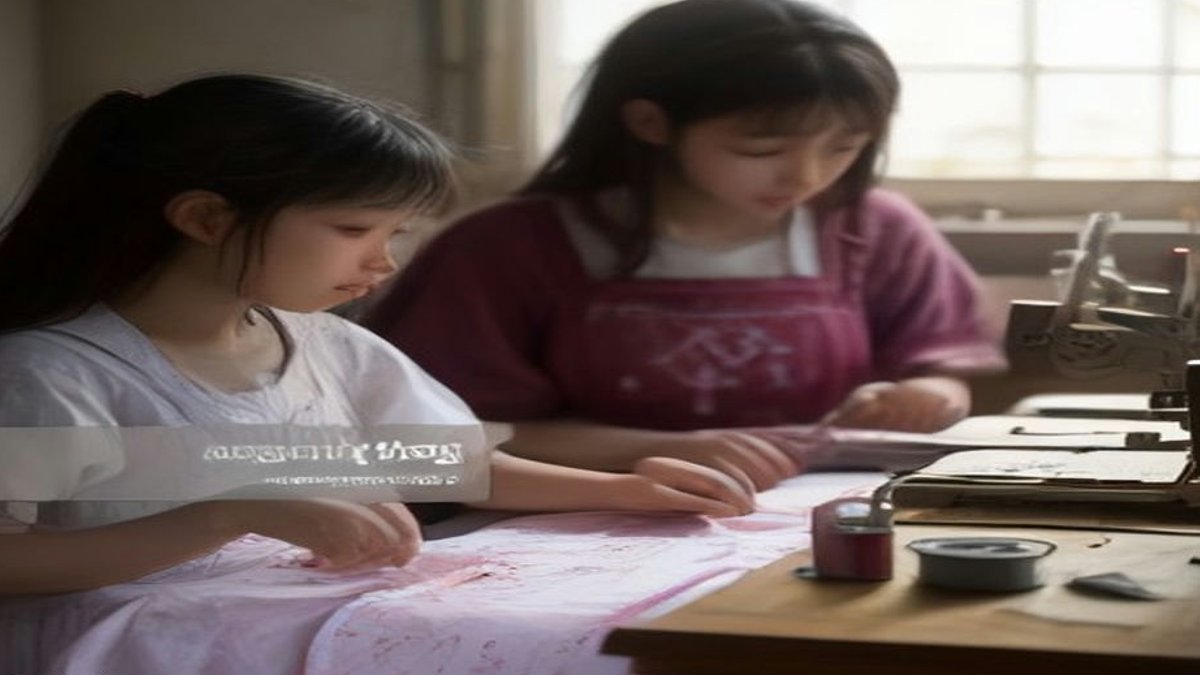
The girls learned about reproductive health through embroidery and fabric art. Salima Ibrahim, one of the graduates, said, “There are many things we didn’t know until we attended this training.” She now shares her knowledge with other girls and women in her community.
Hauwa Ibrahim Musa, another participant, said the programme changed her misconceptions about family planning. She discussed the benefits with her family, helping them become more receptive to the idea.
Fiddausi S. Fulani highlighted the importance of menstrual hygiene and preventing infections, including urinary tract infections and sexually transmitted infections. The programme’s lessons have improved her understanding of self-care and health protection.
Aisha Sufyanu reported referring 20 to 30 women to health facilities, encouraging them to seek care, especially pregnant women and those who are ill. The programme’s impact extends beyond reproductive health, promoting community engagement and access to essential health information.
The graduation ceremony marked the beginning of a new chapter for the girls as advocates for reproductive health awareness. Hajara Yunus, the Ghari hub facilitator, appreciated Nigeria Health Watch for the initiative and appealed for its return to the community.
The programme aligns with the Nigeria Health Sector Renewal Investment Initiative, prioritising stronger primary healthcare and more equitable access to quality health services. As the participants take their learning forward, their experiences reflect the importance of community-based approaches to reproductive health education.
Nigeria Health Watch and its partners have made a positive impact on the lives of these girls, providing them with valuable knowledge and skills to make informed decisions about their health. They will continue to share their knowledge with others, creating a ripple effect in their communities.
The success of this programme demonstrates the effectiveness of using art and creative tools to educate girls about reproductive health. It also highlights the need for more community-based initiatives that focus on reproductive health education and awareness.


