
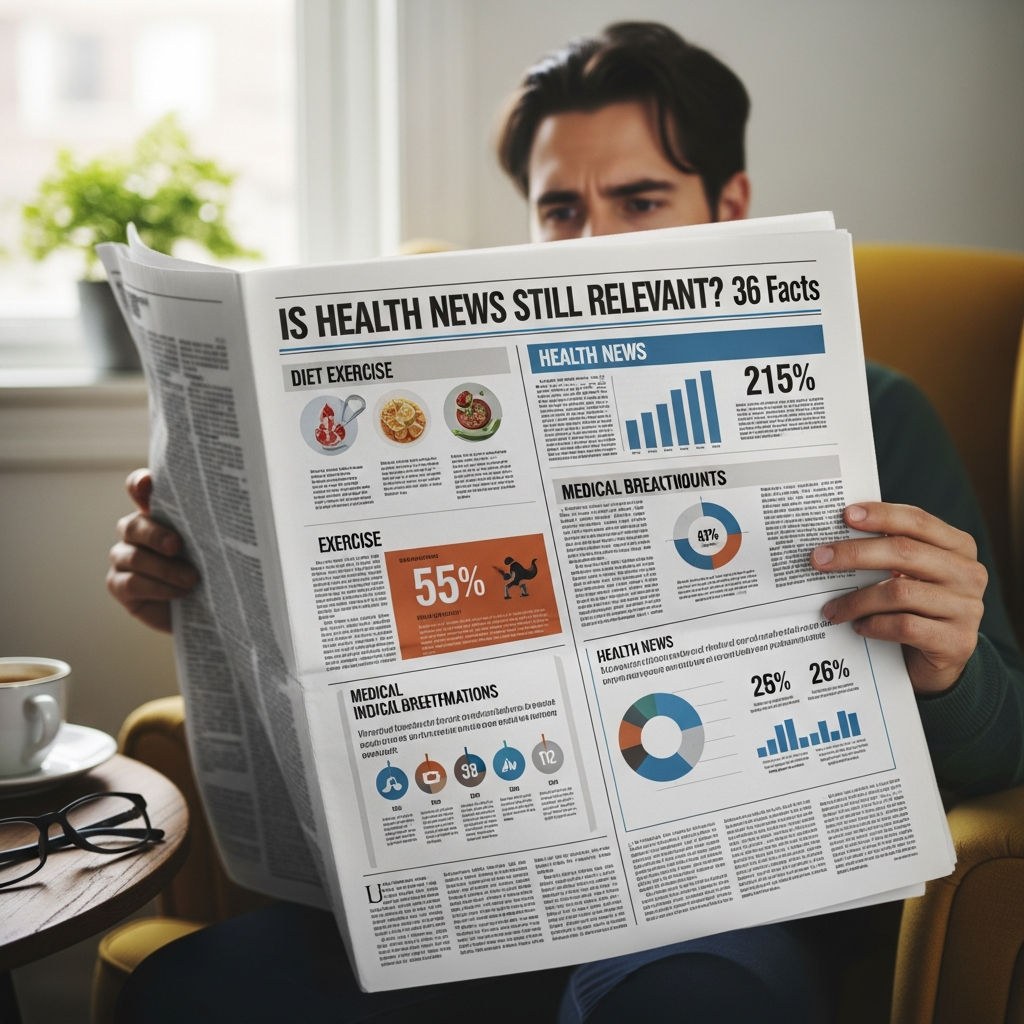
Is Health News Still Relevant? 36 Surprising Facts About Modern Wellness Media
In an era where TikTok influencers dispense medical advice and “Dr. Google” is only a keystroke away, the traditional landscape of health news is undergoing a seismic shift. Many skeptics argue that health journalism is becoming obsolete, buried under a mountain of misinformation and clickbait. However, the reality is far more complex. Is health news still relevant? The answer is a resounding yes, but the medium and the impact have evolved.
To understand the current state of medical journalism, we must look at the data. From the way we process breakthroughs to the dangers of “cyberchondria,” health news remains a primary driver of public behavior. Below, we explore 36 facts that prove health news is not only relevant but more critical than ever in the 21st century.
The Trust Factor and Credibility
The relevance of health news is deeply tied to the trust we place in various institutions. As the gatekeepers of scientific discovery, journalists hold a heavy responsibility.
- 1. Approximately 80% of internet users have searched for health-related information online.
- 2. Despite the rise of social media, 60% of people still trust traditional news outlets more than social platforms for medical breakthroughs.
- 3. Peer-reviewed journals remain the “gold standard” source for health journalists, ensuring a baseline of scientific accuracy.
- 4. Health news acts as a vital bridge between complex academic language and public understanding.
- 5. Inaccurate health reporting can lead to “medical reversals,” where the public continues a practice that science has since debunked.
- 6. Trust in health news increased significantly during the 2020 pandemic as people sought verified safety protocols.
- 7. Independent health journalism provides a necessary check on pharmaceutical companies and their marketing claims.
- 8. Fact-checking organizations have seen a 400% increase in health-related queries over the last five years.
The Impact on Public Health and Behavior
Does reading a headline actually change how we live? The data suggests that health news has a direct physiological and psychological impact on the population.
- 9. Public health campaigns communicated through news media have been credited with a 30% reduction in smoking rates over the last two decades.
- 10. The “Angelina Jolie Effect” led to a 64% increase in genetic testing for breast cancer after her preventative surgery was widely reported.
- 11. Health news plays a critical role in “signal detection” during early-stage outbreaks of infectious diseases.
- 12. Awareness articles about mental health have helped reduce the social stigma surrounding therapy and medication.
- 13. Nutritional news impacts consumer spending; for example, reports on the benefits of avocados led to a global surge in demand.
- 14. Negative health news can cause “nocebo” effects, where people experience side effects simply because they read about them.
- 15. Local health news is essential for reporting regional issues like water quality or localized flu spikes.
- 16. Reports on vaccination safety directly correlate with immunization rates in various demographic groups.
The Digital Transformation and Social Media
The relevance of health news is now inextricably linked to the digital platforms that host it. This shift has created both opportunities and significant risks.
- 17. More than 40% of consumers say information found via social media affects how they deal with their health.
- 18. YouTube is currently the second largest search engine for health-related “how-to” queries.
- 19. “Cyberchondria”—the escalation of anxiety due to online health searches—affects nearly 1 in 3 digital health seekers.
- 20. Short-form video (Reels/TikTok) is now the primary way Gen Z consumes news regarding fitness and mental wellness.
- 21. Algorithm-driven news feeds often create “filter bubbles,” where users only see health news that confirms their existing biases.
- 22. Mobile health (mHealth) news alerts have been shown to improve medication adherence in chronic patients.
- 23. Podcast listenership for health-related shows has grown by 200% since 2018.
- 24. Interactive health news, such as symptom checkers integrated into articles, has higher engagement than static text.
Risks, Misinformation, and the “Infodemic”
Relevance doesn’t always equal accuracy. The high volume of health news has led to a phenomenon known as the “infodemic,” where too much information makes it hard to find a solution.
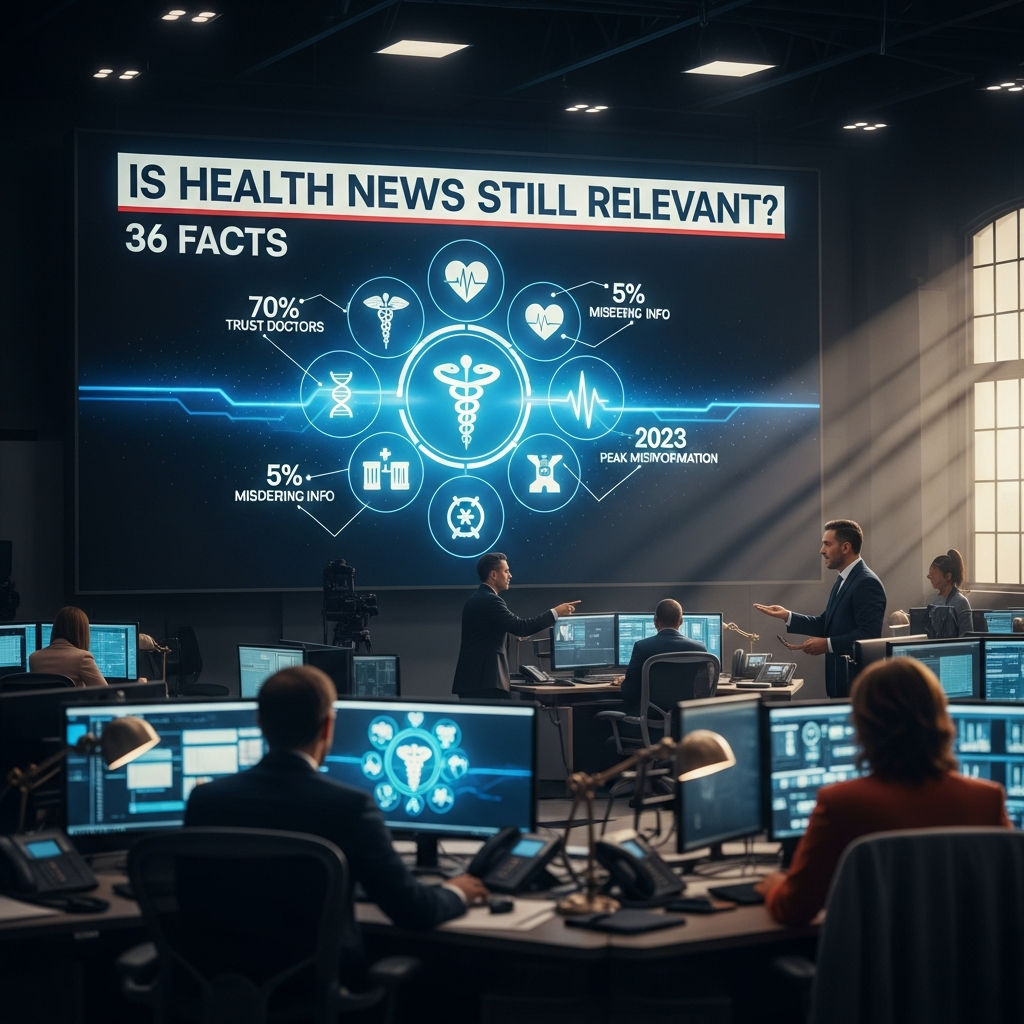
- 25. Misinformation spreads six times faster on social media than factual health news.
- 26. “Clickbait” headlines in health journalism are responsible for over 50% of the public’s misconceptions about cancer “cures.”
- 27. Conflict of interest reporting is a major part of modern health news, exposing ties between researchers and industry.
- 28. The “replication crisis” in science means that many health news stories are based on studies that cannot be duplicated.
- 29. Sensation-based reporting on rare diseases can cause unnecessary widespread panic.
- 30. Digital literacy is now considered a “social determinant of health,” as those who can’t navigate news are at higher risk.
- 31. 70% of doctors report that patients bring printed or digital news articles to their appointments to discuss treatments.
- 32. AI-generated health news is on the rise, raising concerns about the lack of human empathy and ethical oversight.
The Future of Health Journalism
As we look forward, the relevance of health news will depend on its ability to adapt to new technologies and personalized needs.
- 33. Personalized health news—where content is tailored to a person’s DNA or health record—is predicted to be a $20 billion industry by 2030.
- 34. Augmented Reality (AR) is being integrated into health news to help readers visualize how viruses or medications work inside the body.
- 35. Collaboration between journalists and medical professionals (Med-Journalism) is becoming the standard for high-authority outlets.
- 36. Despite the rise of AI, 75% of readers still prefer health advice that contains a personal anecdote or human element.
Why We Still Need Health News
The sheer volume of these facts underscores one point: health news is the heartbeat of public awareness. While the delivery method has moved from the morning paper to a smartphone notification, the core function remains. We need health news to translate the complexities of the laboratory into the realities of the living room.
Without professional health journalism, we are left at the mercy of algorithms that prioritize engagement over accuracy. Reliable health news acts as a filter, helping us distinguish between a passing fad and a life-saving breakthrough. It empowers patients, informs voters on healthcare policy, and encourages a culture of preventative wellness rather than reactive treatment.
How to Consume Health News Responsibly
Given the 36 facts listed above, it is clear that being an informed consumer requires effort. To ensure the news you read is relevant and accurate, consider these three steps:
- Check the Source: Is the article citing a peer-reviewed study or a press release? Always look for links to original research.
- Look for Consensus: One study rarely changes the world. Look for health news that discusses a “body of evidence” rather than a single “miracle” finding.
- Consult a Professional: Use health news as a conversation starter with your doctor, not as a final diagnosis.
Conclusion
Is health news still relevant? Absolutely. It is the compass we use to navigate an increasingly complex world of medical science. While the “infodemic” presents challenges, the continued evolution of health journalism ensures that we stay informed, stay healthy, and stay skeptical of claims that seem too good to be true. In the end, the most relevant health news is the news that empowers you to take better care of yourself and your community.