
A mother in Nigeria is hesitant to vaccinate her child due to concerns about the vaccine’s safety and potential impact on fertility. Despite a health worker’s assurance that the vaccine is safe, she remains unsure. This scenario highlights a complex issue that goes beyond mere misinformation or a lack of understanding of science.
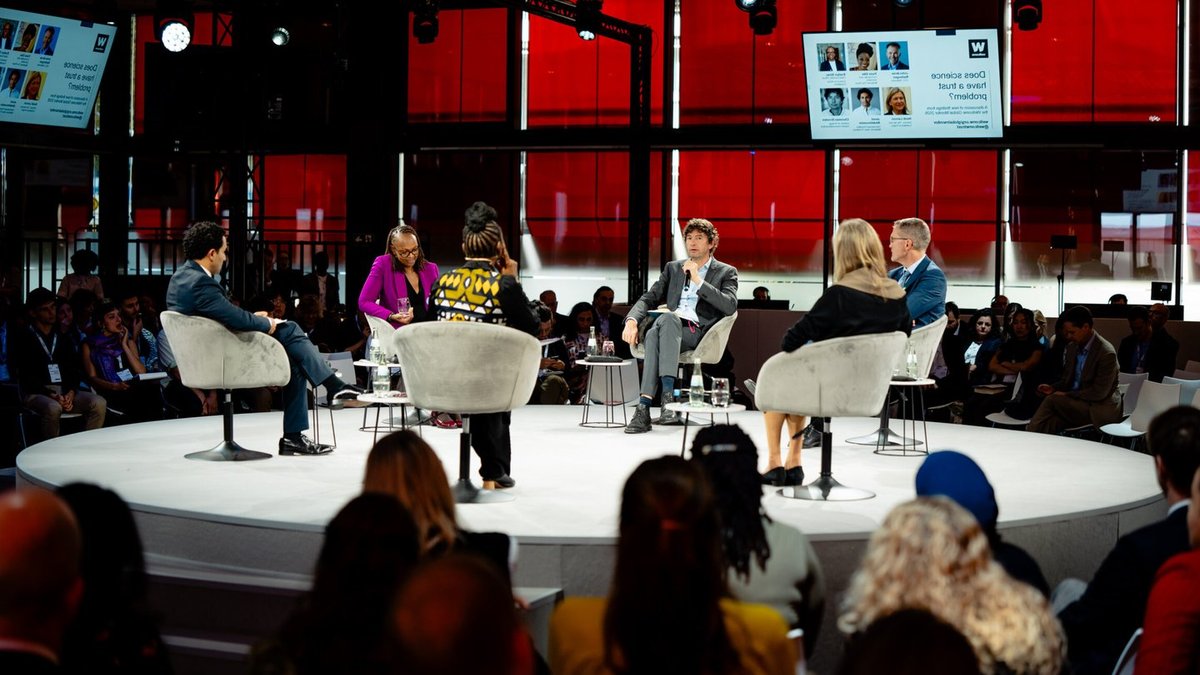
The World Health Summit 2026 side event, “Does Science Have a Trust Problem?”, explored the issue of why some people struggle to trust science, despite its numerous benefits. The discussion drew insights from the Wellcome Global Monitor 2026, which surveyed over 143,000 people across 140 countries.
Trust in Science Begins with Everyday Experiences
The Wellcome Global Monitor found that global trust in scientists has declined since the COVID-19 pandemic, with the proportion of people reporting a high level of trust in scientists falling from 80% in 2020 to 72% in 2025. This raises important concerns about trust in science, particularly in the context of the Nigerian health system.
For many people, science is not an abstract concept, but something they experience firsthand when interacting with health facilities, receiving diagnoses, taking prescribed medications, or getting vaccinated. These encounters shape their understanding of the value of science and their confidence in the people and institutions that represent it.
Evidence matters, but people need to feel heard. The example of the HPV vaccine illustrates this point, where concerns about potential side effects persisted despite evidence supporting the vaccine’s safety.
Effective Engagement Requires Listening and Dialogue
Health communicators must move beyond simply delivering information to communities and instead focus on understanding how people receive and process that information. This requires listening to concerns, explaining what is known, and acknowledging what remains uncertain. By treating questions as opportunities for dialogue, rather than challenges to scientific authority, health communicators can build trust and create meaningful engagement.
When people feel heard, they are more likely to trust the information they receive. However, when they feel dismissed or ignored, even well-intentioned communication can widen the gap between experts and the public. The discussion emphasized the importance of building sustained relationships with communities and addressing their everyday health needs, rather than just introducing interventions during outbreaks.
For Nigeria, this means designing research and public health programs that take into account local realities and community concerns. By involving communities in shaping the questions researchers investigate and the approaches institutions adopt, science can become more relevant and accessible to people’s lives.
Trust must become a priority for health systems, and this requires a thorough approach. Health institutions must communicate clearly about scientific evidence, explain decision-making processes, and acknowledge uncertainty. Health communicators must listen to communities, understand emerging concerns, and work with credible messengers. Researchers and funders must support local scientific capacity and sustained community engagement.
The issue for public health programs in Nigeria should not only be “How do we make people trust health information?” but also “What are people experiencing that makes trusting us difficult?” This requires assessing not only whether information has reached its intended audience but also whether people’s concerns have been addressed, whether communities have been involved in shaping interventions, and whether health services are accessible and responsive. Science remains essential to developing life-saving vaccines, improving diagnosis, and informing better health policies. But its potential to improve lives depends partly on whether people can trust the systems through which scientific evidence reaches them.


