
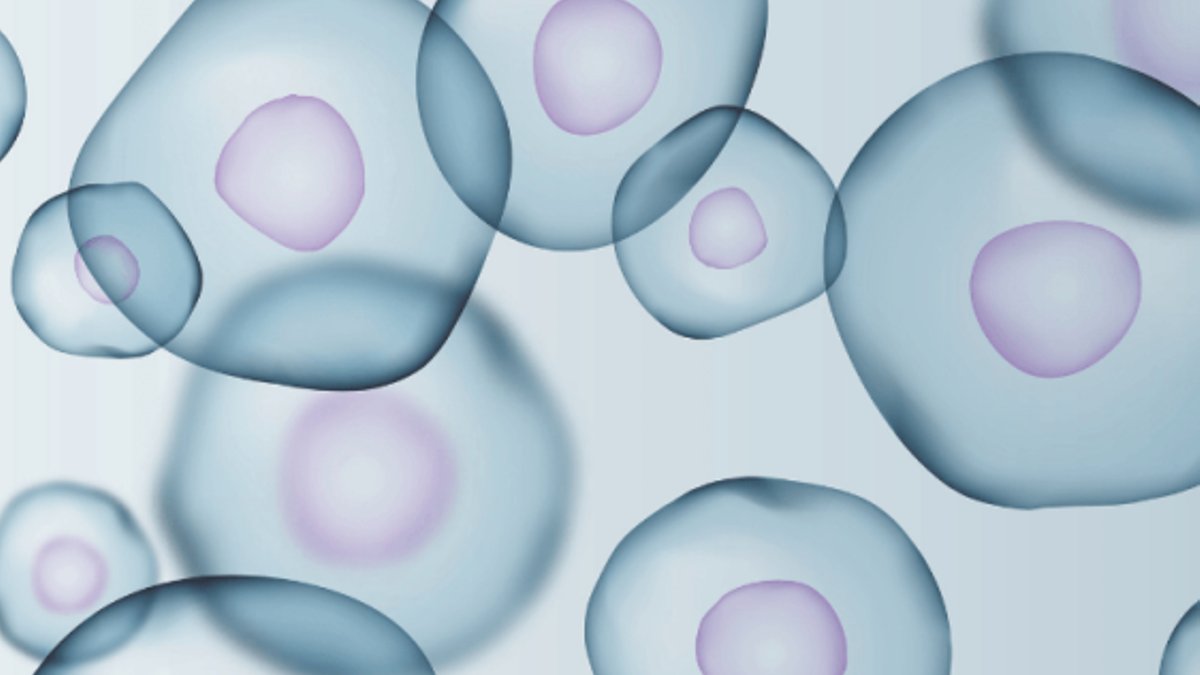
Stem cells are the body’s built‑in repair system, and their growing use in medicine reflects a shift toward treatments that act at the cellular level.
How Stem Cells Work
Every organ contains its own population of stem cells, which can renew themselves and turn into the specialized cells needed for that tissue. When a joint’s cartilage wears down, local stem cells can help rebuild that cartilage, but they cannot cure unrelated conditions such as diabetes.
The therapeutic potential lies in two main mechanisms. First, stem cells can replace dead or damaged cells by differentiating into new tissue. Second, they release growth factors that encourage surrounding cells to grow, improve blood flow, and calm inflammation. This dual action creates a more favorable environment for natural healing.
Inflammation is a major barrier to regeneration. Conventional anti‑inflammatory drugs—NSAIDs and steroids—often suppress the very cells that need to repair tissue, leading to short‑term relief but long‑term harm. By contrast, stem cells can reduce inflammation without the side effects of these drugs, allowing the body’s own repair processes to proceed.
Current Applications and Limitations
Today, stem cell therapy is most common for sports‑related injuries, joint pain, and back pain. Autologous treatments, which use a patient’s own cells, carry the lowest risk of infection or immune rejection. Allogeneic cells, sourced from another donor, may introduce additional risks such as disease transmission or tumor formation.
Outcomes depend on several factors: the patient’s overall health, the quality and viability of the harvested cells, and the specific protocol used. Even with a high cell count, a large proportion of dead cells can blunt effectiveness. Testing for cell count, viability, and structural integrity helps clinicians assess the likelihood of success.
Not all patients respond to stem cell therapy. A small subset shows no improvement regardless of the condition or treatment method. The variability highlights the need for individualized protocols rather than a one‑size‑fits‑all approach.
While the field has been practiced in Europe and Japan for over a decade, regulatory oversight remains uneven. The lack of standardized protocols means many treatments are not FDA‑approved and are typically excluded from insurance coverage. This regulatory gap has allowed some commercial providers to market unproven therapies, leading to patient confusion and, at times, exploitation.
Related: New rules flag health data blocking risks
Future progress rests on better understanding of how different cell types interact with specific tissues. For now, the most reliable use is to support the body’s own healing rather than to replace entire organs.
Even with the best‑designed protocol, success often hinges on lifestyle factors. Regular exercise and stress management can preserve the potency of a person’s own stem cells, making them more effective when needed. Conversely, chronic inflammation from poor diet or sedentary habits can diminish cellular function and slow recovery.
One cautious observation: as research expands, the line between legitimate clinical use and speculative hype may blur. Patients should scrutinize the evidence behind any offered treatment and consider whether the procedure aligns with established safety standards.
Practical Guidance for Patients
Patients considering stem cell therapy should first verify that the provider follows a protocol tailored to their specific condition. Autologous approaches typically involve harvesting cells from bone marrow or blood, then injecting them directly into the affected area. Intravenous delivery may be used for systemic conditions, but it does not guarantee that cells will reach a targeted joint or organ.
Beyond the procedure itself, maintaining overall health can improve outcomes. Reducing added sugar intake helps lower systemic inflammation, which can otherwise impede healing.
Heat therapy, after the acute phase of an injury, may enhance blood flow and support the regenerative actions of stem cells. Combined with daily movement, deep breathing, and consistent sleep, these habits create an environment where cellular repair can thrive.
Ultimately, stem cell therapy is a tool, not a cure‑all. Its effectiveness relies on the body’s capacity to heal, which is shaped by genetics, environment, and personal lifestyle choices. Patients who adopt a holistic approach—integrating medical treatment with healthy daily habits—stand the best chance of benefiting from this emerging technology.


