
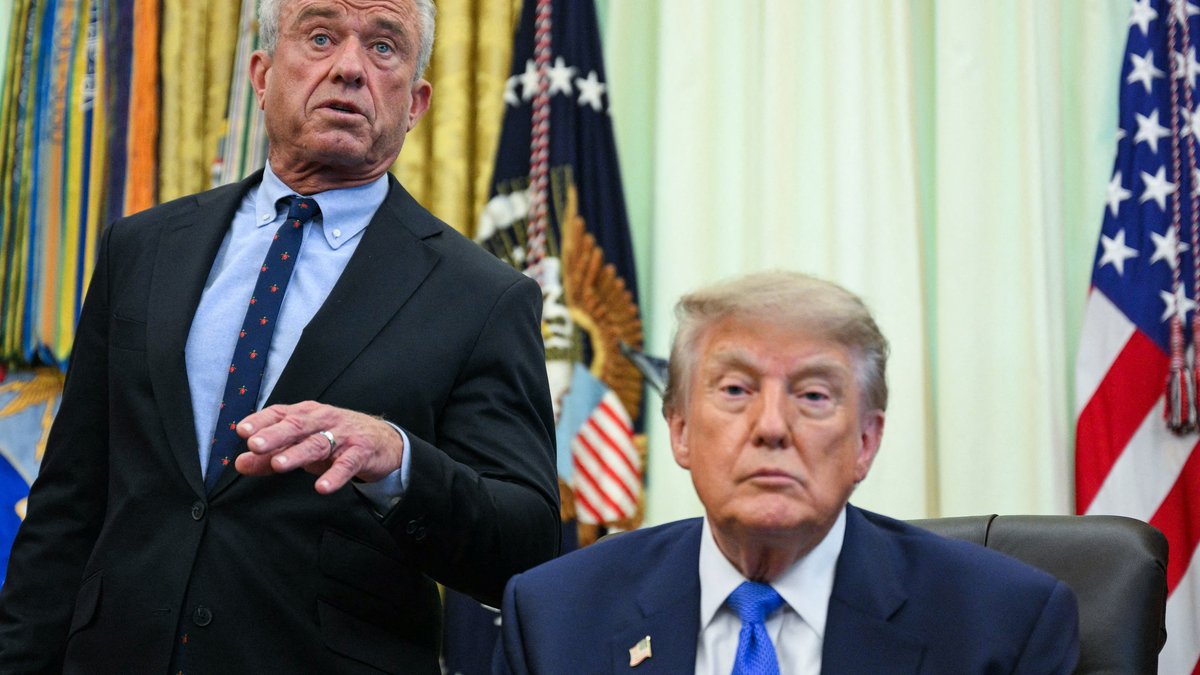
Trump and Kennedy health industry agreements have drawn attention for their speed, yet the lack of enforcement mechanisms leaves many of those promises in limbo as the midterms approach.
Voluntary arrangements lack regulatory bite
The administration’s strategy relies on voluntary commitments from food producers, insurers and drugmakers rather than formal rules. Officials say the approach fits a broader anti‑regulatory stance, but critics note the details are often vague and oversight minimal. Without clear penalties, tracking progress becomes difficult, and some announced victories have yet to appear in practice.
Promises on synthetic dyes stall
In April 2025, Kennedy announced that manufacturers would phase out nine petroleum‑based synthetic dyes from foods and medicines. A Consumer Reports survey later showed 72% of adults were concerned about such additives. The initial target was the end of 2025 for six specific dyes, yet the FDA quietly moved the deadline to the end of 2027. By December 2025 the agency listed 27 companies that had pledged to remove the dyes, but only seven had met the goal, less than a third of the participants.
The agency’s website now notes that the voluntary approach has led to commitments for school meals in the 2026‑27 year, but the broader market remains largely unchanged. Some large producers, including Coca‑Cola and Unilever, have not offered concrete commitments, and no pharmaceutical firm has publicly pledged to eliminate dyes from drugs.
Related: Brain Injury Camp Zips Ahead Despite Federal Uncertainty
One reason the initiative may lose momentum is that the administration also relaxed labeling rules, allowing companies to claim “no artificial colors” even if they use natural pigments that can contain contaminants. This shift reduces the incentive for manufacturers to fully abandon synthetic additives.
The limited follow‑through on dye removal illustrates a broader pattern: public announcements generate headlines, but the absence of binding requirements makes the outcomes uncertain. When political attention wanes, the voluntary framework offers little guarantee that the pledged changes will endure.
From a policy perspective, the reliance on industry‑led pledges reflects a calculation that speed outweighs durability. While swift agreements can be touted as achievements, they often lack the structural support that traditional regulations provide, meaning they risk disappearing once the spotlight shifts.
Insurers curb prior authorization only modestly
At a June 2025 HHS event, Mehmet Oz and Kennedy said that 80% of insurers had pledged to ease prior‑authorization requirements for most conditions by January 2026. By July, the insurers’ trade group AHIP reported an 11% reduction, far short of the promised scope. No public dashboards have been launched to monitor compliance, and several insurers indicated they would not fulfill the full set of reforms.
Related: New KFF Health News Minute drops today
Drug‑price pledges remain narrow
The administration also announced “most‑favored‑nation” pricing arrangements with Pfizer, AstraZeneca and fifteen other firms through a platform called TrumpRx. The agreements apply only to new drugs and to Medicaid or cash‑pay patients, leaving the majority of insured Americans unaffected. While industry spokespeople claim the deals will lower costs, market analysts note the limited scope and the fact that prices on TrumpRx are still higher than typical out‑of‑pocket expenses for those with private insurance.
Investors reacted positively to the announcements, suggesting that the narrow, principle‑based nature of the arrangements was viewed as a low‑risk move for the companies involved.
As the November midterms near, Republicans are likely to highlight these voluntary arrangements as evidence of a proactive health agenda. Yet the mixed results—partial dye removals, modest prior‑authorization cuts, and narrowly scoped drug‑price commitments—show the uncertainty of relying on industry goodwill without statutory backing.


