
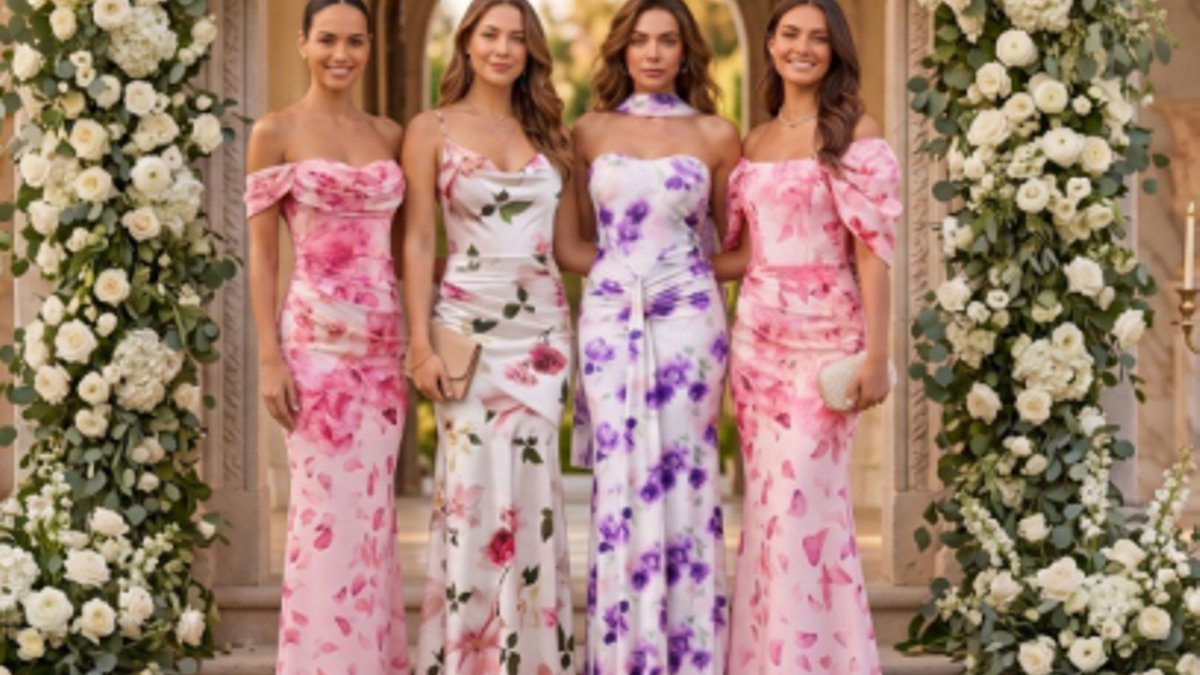
Receiving a wedding invitation is always a pleasure, but deciding what to wear can quickly turn it into a challenge. With venues ranging from gardens and beaches to city settings, each wedding demands a unique approach to dressing. The key to choosing the perfect outfit lies in understanding the venue, setting, and overall atmosphere of the celebration.
Decoding the Invitation
The invitation itself is your first clue. It typically provides essential details like the dress code, venue, and time of day. A formal wedding calls for a sophisticated maxi or floor-length dress, while a cocktail celebration is an opportunity for an elegant midi. For a more relaxed wedding, a flowing day dress or a stylish print can be a great choice.
If the invitation doesn’t specify a dress code, the venue can guide your decision. A luxury hotel reception usually requires a polished look, whereas a countryside or garden setting allows for a softer, more relaxed style.
Venue-Specific Dressing
Garden weddings often inspire romantic, feminine outfits. Floral prints, soft colors, and flowing fabrics in midi lengths are ideal. For footwear, block heels, wedges, or elegant flats are practical choices for grassy terrains. A lightweight wrap or blazer can be a useful addition for cooler evenings.
Read Also: Wellness Focus Shifts to Prevention, Self-Care for Busy Adults
Beach weddings demand a different approach. Flat sandals or wedges are better suited for sandy environments than heels. A small, practical bag is also advisable, given the likelihood of more walking. A flowing maxi or a shorter midi can strike the right balance between elegance and comfort.
Urban venues call for a more contemporary and structured look. Modern silhouettes, statement colors, and refined accessories are appropriate. A fitted midi or a sleek maxi can work well, depending on the formality of the event. Richer colors like navy, emerald, or burgundy are excellent choices for evening weddings.
For formal weddings, floor-length gowns, elegant maxis, or refined midis are suitable. Evening events benefit from darker colors and richer fabrics. Jewel tones like emerald, sapphire, or deep purple can add a touch of glamour without overshadowing the couple.
Cocktail dress codes offer flexibility. A midi dress allows for experimentation with necklines, sleeves, or embellishments. Daytime events suit softer tones and florals, while evening events can incorporate richer colors and metallic accents. Comfortable heels and a small clutch complete the look without overwhelming it.
Color choices should reflect the season, time of day, and tone of the event. Lighter shades like blush, lavender, and pale blue are perfect for spring and summer, while richer tones like burgundy and navy are more fitting for autumn and winter. It’s also important to avoid white or similar shades, unless explicitly allowed by the couple.
Read Also: Single vs. Staged Surgeries for Post-Weight Loss Skin Removal
Comfort is an important factor, regardless of the venue. Weddings involve long hours of sitting, standing, walking, and dancing, so the dress should be both stylish and practical. Wrap dresses, A-line silhouettes, and flowing maxis offer ease of movement without compromising on elegance.
Accessories play a significant role in personalizing the outfit. Daytime weddings call for understated jewelry and structured bags, while evening events are ideal for statement pieces and clutches. Shoes should complement both the dress and the venue, with block heels, wedges, and flats being versatile options.
A spare layer, such as a lightweight wrap or tailored coat, is a practical addition, especially for outdoor or autumn/winter weddings. Choosing a versatile dress that can be restyled for other occasions ensures that your purchase is not limited to a single event.
Practical Considerations for Wedding Guest Attire
Consider the bridal party’s color palette when choosing an outfit to avoid blending in. Select shades or prints that stand out distinctly, such as navy, burgundy, or lavender, if the bridesmaids are wearing dusty pink. A spare layer, like a tailored blazer or elegant coat, is essential for seasonal changes, especially in autumn and winter. Neutral or tonal shades for outerwear help maintain a coordinated look.


