
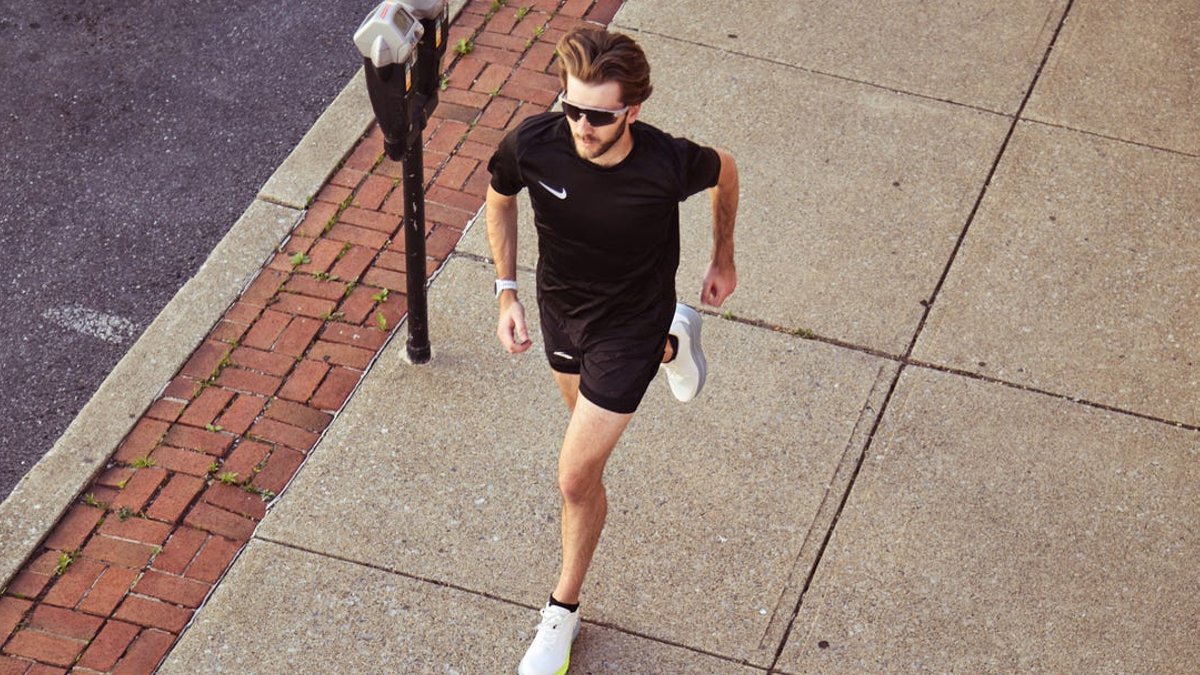
A 10-minute run—regardless of pace—can reduce the risk of early death from all causes and cardiovascular disease. The benefits apply to both sedentary individuals and those who already exercise regularly.
Lindsay Ludlow, an exercise physiologist and runner in Ann Arbor, Michigan, explained that studies confirm even five to 10 minutes of daily running at slow speeds lowers mortality. One long-term study tracked more than 5,000 people and found those who ran one to three hours per week at an easy to moderate pace lived longer than both sedentary individuals and those who ran faster or more frequently.
Related: How a 60-Year-Old Marathoner Keeps Breaking Records
The goal isn’t to replace longer workouts but to incorporate movement throughout the day. Louise Valentine, a certified strength and conditioning specialist and author of The Art of Breaking Through, noted that many active people become “active couch potatoes”—exercising regularly but sitting for long periods otherwise. Short runs, she said, function like basic health maintenance, similar to brushing teeth or getting enough sleep.
Daily activity may slow aging at the cellular level. Andrew Ludlow, an assistant professor at the University of Michigan studying exercise and cellular health, identified 12 hallmarks of aging. While some, like genetics and time, are fixed, others—such as poor diet, lack of sleep, and inactivity—can be controlled. His research on people over 50 showed those with the healthiest cells were moderately to highly active.
Running for just 10 minutes can improve antioxidant defenses and reduce inflammation. The exact ideal amount of exercise remains uncertain, but evidence favors consistency over intensity.
Related: Back Office Meets Patient Care Needs
Timing matters less than simply doing it. Some moments, however, offer additional advantages. Running soon after a meal helps regulate blood sugar. A 2023 review found women who exercised within 30 minutes of eating experienced fewer glucose spikes. For those with type 2 diabetes, high-intensity post-meal exercise may reduce insulin dependence, according to Ludlow.
Not every run requires structure. Sometimes, simply lacing up and stepping outside is enough. The point isn’t speed or distance—it’s showing up consistently.


