
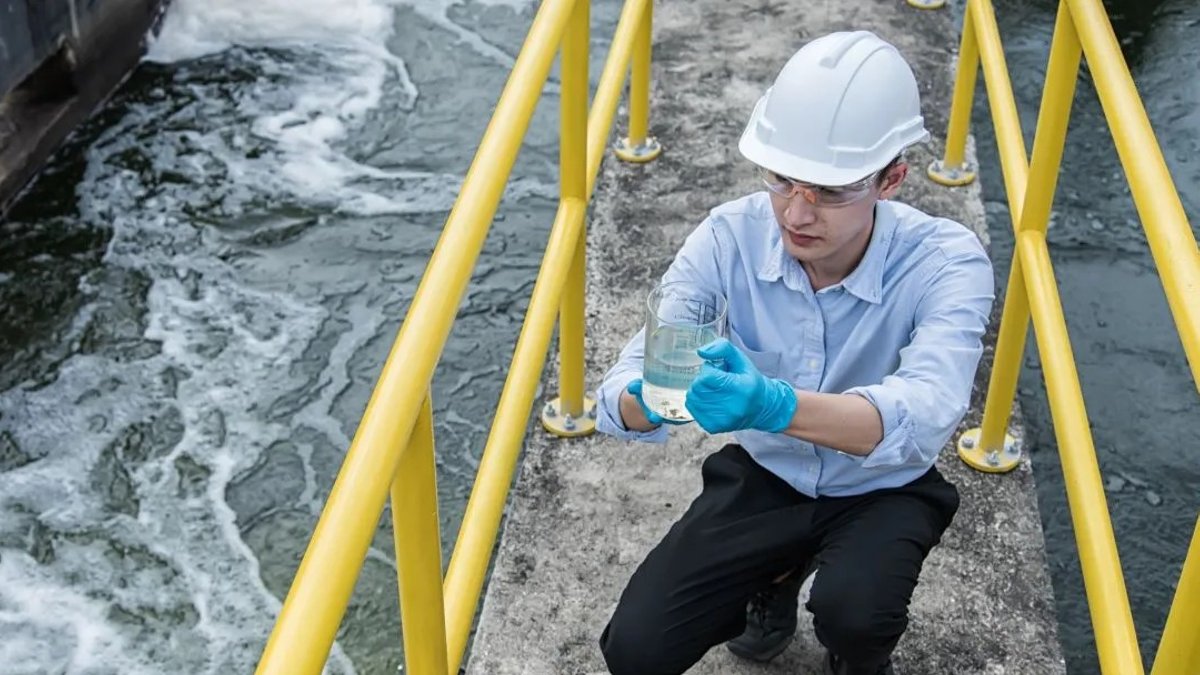
Researchers in North Carolina have adapted a COVID‑19 wastewater monitoring tool to capture DNA from food particles, offering a novel way to gauge community diets without relying on surveys.
How the method works
The technique, called FoodSeq‑FLOW, builds on the earlier FoodSeq platform that identified foods from stool samples. By extracting plant and animal DNA from municipal sewage, scientists can detect which foods have been consumed by the population served by each treatment plant. The adaptation leverages the same molecular assays originally designed for tracking viral RNA, repurposing them to target the genetic signatures of edible species. Because DNA persists in fecal matter even after cooking, the approach can capture a broad spectrum of foods, from raw fruits to processed meals, that would otherwise be invisible to conventional data sources.
The study collected samples from 21 wastewater treatment plants across North Carolina, providing population‑level dietary data without the need for individual surveys.
“Traditional food diaries and surveys don’t paint the full picture,” said Lawrence David, Ph.D., associate professor at Duke University’s Edible Atlas. He noted that memory lapses and the effort required to log meals often limit the reliability of self‑reported data.
Findings and potential uses
Results showed clear differences between regions. Coastal communities are more likely to consume native seafood species than inland communities, indicating a potential opportunity for local fisheries.
Related: Viome Buys Circulate Health in Medical Merger
These insights could help nutrition companies target product development or guide grocers toward underserved areas. “If a particular community is shown to consume fewer vegetables and fruits than their neighbors, it could indicate that access to fresh produce is a challenge for residents,” David explained.
Beyond commercial applications, the near‑real‑time nature of wastewater monitoring could support public‑health initiatives. Rapid data collection—potentially within days—might allow officials to evaluate the impact of nutrition campaigns or identify seasonal shifts in food intake. Because the method captures DNA from whole ingredients, it can reveal changes in plant seasonality, such as increased signals for berries in the summer months or higher corn markers during harvest periods.
One limitation is quantifying how much of each food is eaten. The method can track the presence of DNA markers but offers only relative estimates of consumption levels. Distinguishing closely related species, such as broccoli from cauliflower, also remains a technical hurdle.
While the technology promises richer dietary data, it also raises questions about privacy and the potential misuse of information. Careful stewardship will be essential to ensure that findings support community health rather than commercial exploitation.


