
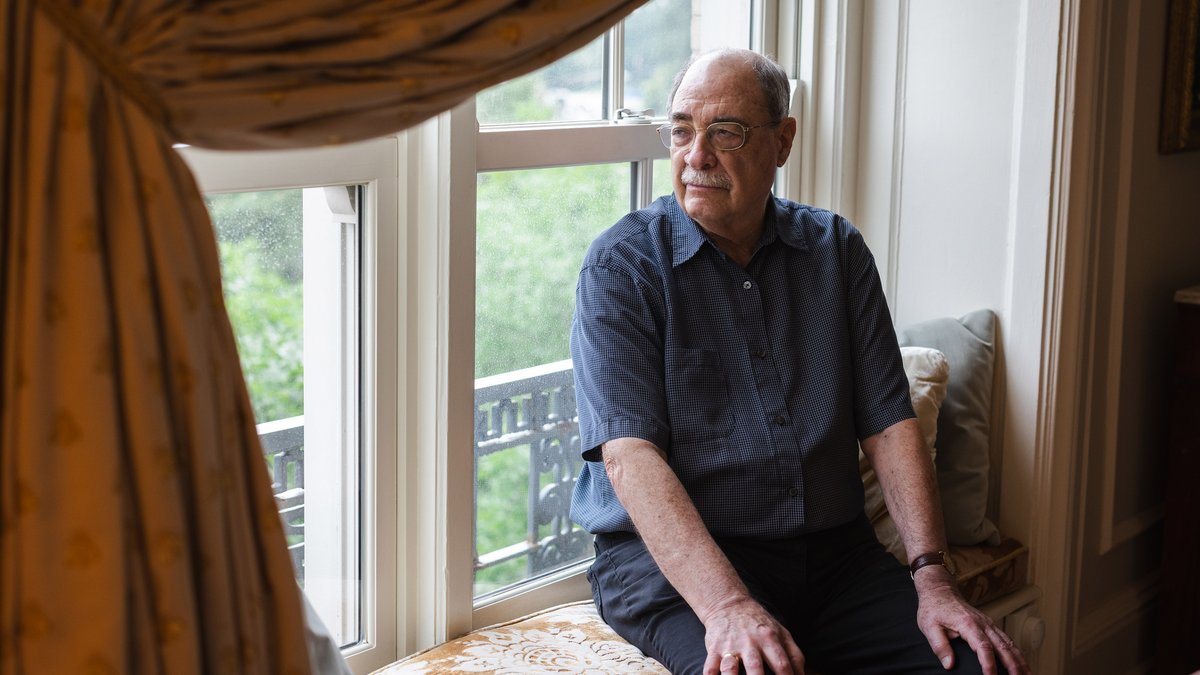
Chuck Manski, a Northwestern University economist, was diagnosed with advanced melanoma and received monthly infusions of nivolumab for six months in 2022. The treatment caused severe side effects, including the destruction of his thyroid gland and dryness in his eyes, lips, and mouth.
Manski’s oncologist could not explain why the FDA protocol called for a full year of treatment, despite the cancer being in remission. The physician decided to take himself off the treatment, citing the intense side effects and lack of clear evidence for the optimal dosage.
Cancer Drug Dosage Debate
Researchers and doctors are challenging the FDA-approved dosages for certain cancer drugs, including nivolumab and pembrolizumab. They argue that lower doses or shorter treatment periods could be just as effective while reducing side effects and costs.
A recent survey found that 43% of U.S. adults had skipped their medication in the past year due to cost, and a Vanderbilt University study found that 30% of cancer drug prescriptions went unfilled at the pharmacy.
Related: Clinical Trials Come With Significant Hurdles
Pharmaceutical companies have shown little interest in conducting dose-optimization studies, as they have already set prices for their drugs and have a stake in maximizing sales. However, some oncologists are starting to prescribe lower doses or alternative treatment schedules, despite potential pushback from insurers.
Global Perspectives on Cancer Treatment
In countries like India, doctors are using lower doses of nivolumab and achieving similar or better results than with standard dosages. These studies are not directly comparable to those conducted in the U.S., and more research is needed to determine the optimal dosage for different patient populations.
In Europe, clinicians are taking a middle course, studying lower but not ultralow doses of immunotherapy. The FDA has also launched initiatives to encourage more precise dosing studies, but the agency’s ability to compel drugmakers to conduct such studies is limited.
Researchers are working to develop new clinical trials to compare standard dosages with lower ones, and some hospitals are implementing pilot programs to dose patients less frequently. These efforts aim to balance efficacy with quality of life and reduce the financial burden on patients.
Related: DNA in Wastewater Reveals Community Dietary Habits
Patient Advocacy and the Push for Change
Patient advocates like Kelly Shanahan are working to raise awareness about the need for more flexible dosing options and better guidance for patients. Shanahan, who experienced severe side effects from a breast cancer drug, is now working with a group called the Patient-Centered Dosing Initiative to gather data and push for change.
Shanahan and others argue that the data needed to inform dosing decisions is already available in clinical trials and postmarket studies, but drug companies are not providing it. They are calling on governments to step in and ensure that this information is made available to patients and doctors.
Manski has joined the advocacy effort, believing that the knowledge gained from such research is a common good and should be prioritized over profits. As he noted, “The knowledge to be gained is a common good.”


