
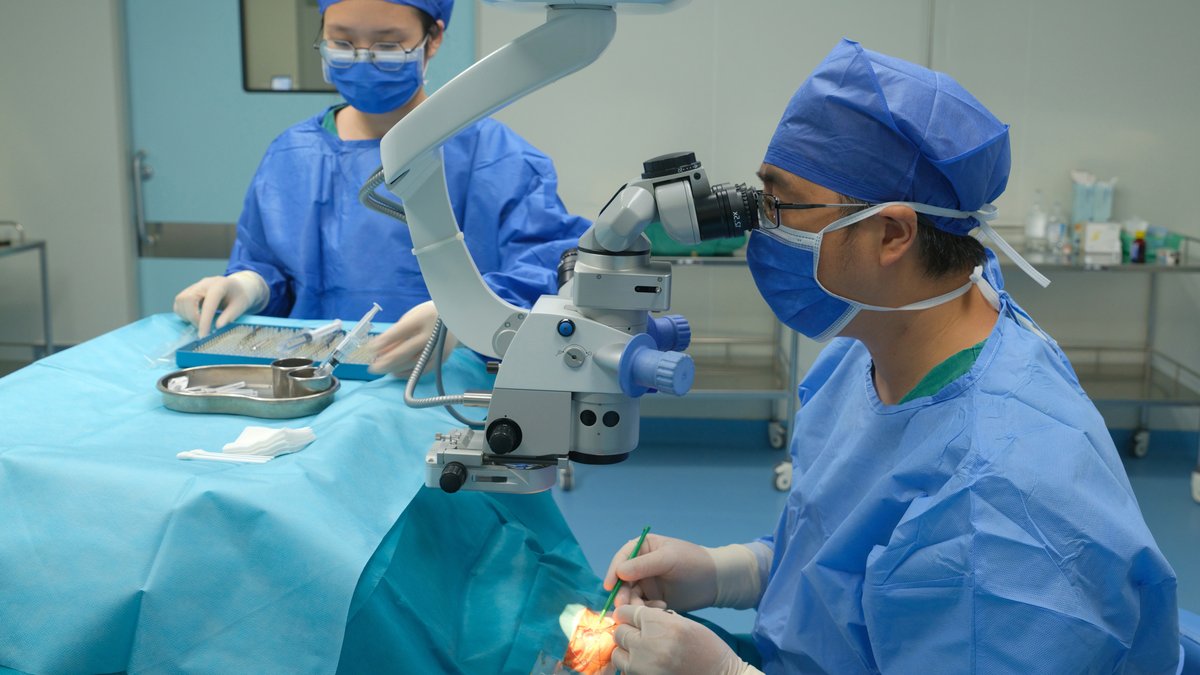
Medicare’s reimbursement for the common eye operation has slipped about 20% over the past decade, prompting many doctors to turn to a pricier technology that patients often fund themselves.
Rising Out‑of‑Pocket Costs
Tammy Chalala, a 69‑year‑old retired dietitian from New York, paid close to $4,000 out of pocket for two procedures last year after choosing a laser‑assisted method. “It seemed like the better option,” she said, after researching online and consulting her physician.
Medicare typically covers a few hundred dollars for the standard procedure, but the fee for the device‑driven technique can range from $1,000 to $3,000 per eye. Premium lenses that eliminate the need for glasses add another $1,000 to $4,000 to a patient’s bill.
Related: New KFF Health News Minute drops today
The program permits extra billing only when the technology is used to improve vision, such as correcting astigmatism or inserting premium lenses. The base Medicare payment sits at roughly $520, and private insurers usually follow the same rules.
Ophthalmologist Oliver Schein of Johns Hopkins Medicine noted that the equipment can cost a practice up to $500,000. He said his colleagues adopted the system a few years after its introduction but did not observe a clear benefit over the traditional scalpel approach.
According to market data firm Market Scope, about 12% of the 5 million annual procedures nationwide now use the device, a share that has been climbing steadily.
Related: Pet Food Labels Need Major Overhaul
Doctors Cite Financial Pressures
The American Academy of Ophthalmology states on its website that “studies do not show that laser surgery results in fewer complications” or better visual results. The organization’s assessment aligns with broader research showing no outcome advantage for the newer method.
Kevin Miller of UCLA observes, “It’s a win‑win for patient and doctor. Doctor makes a little more money on top of the Medicare reimbursement; the industry gets money to develop new technology; and society benefits because these patients are not going for eyeglasses anymore.”
By age 80, more than half of Americans have had cataracts, a condition that causes blurred vision and poor night vision. Most cataracts develop slowly as part of the aging process when proteins and fibers in the eye’s lens break down and clump together. Doctors for decades have used scalpels to perform cataract surgery, which involves removing the cataract and replacing the cloudy natural lens with a clear artificial one.


