
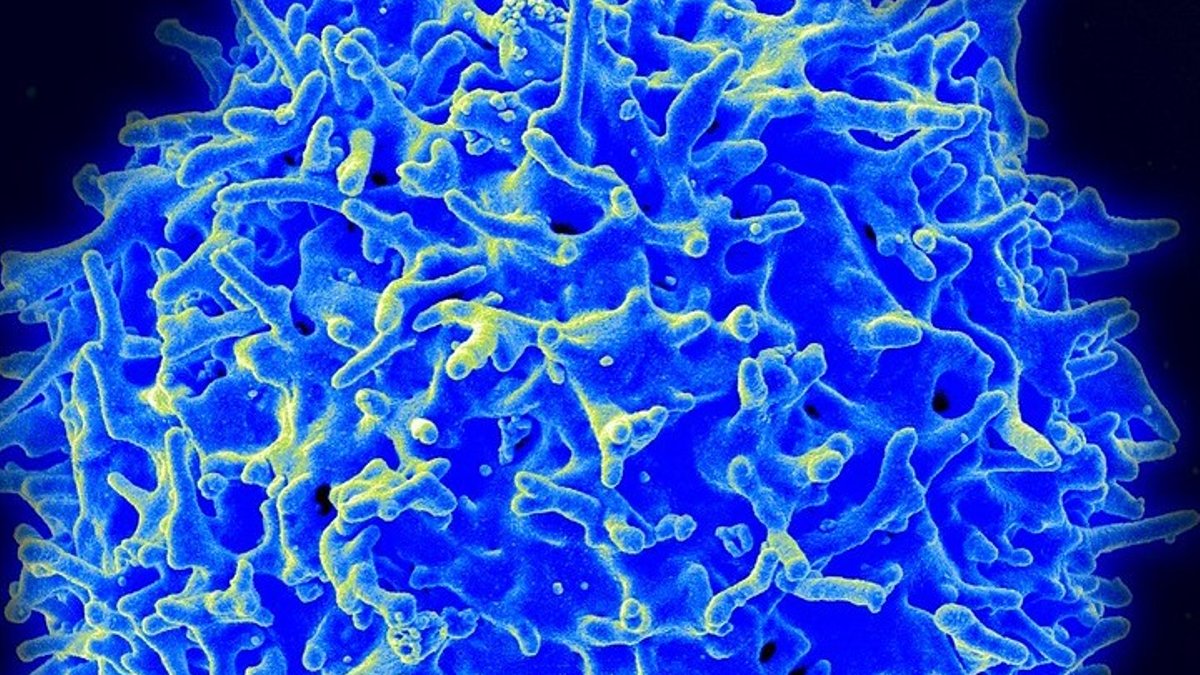
Immune-reset therapies, which aim to clear disease-driving immune cells and allow a fresh cellular repertoire, have attracted growing interest from researchers and investors alike. Massachusetts-based startup ai3Bio announced its platform and a $48 million Series A round, signaling strong financial backing for this novel approach.
ai3Bio unveils immune-reset platform
The approach promises a blank-slate immune system but traditionally also wipes out protective antibodies from past vaccinations. ai3Bio says its method spares existing memory cells, preserving immunity to common pathogens such as flu and cytomegalovirus.
“Jonathan Kagan, the company’s scientific co-founder, explained, ‘This strategy does not eliminate your pre-existing memory T cells that would be specific for cytomegalovirus, flu, and all the other things that you want to maintain defense against.’”
The first target is the Th17 subset of helper T cells. While essential for fighting infections, overactive Th17 cells drive several autoimmune disorders, making them an attractive point of intervention.
“Steven Altschuler, chief executive, noted that current IL-17 blockers such as Cosentyx, Taltz and Bimzelx block the cytokine but require lifelong dosing, whereas ai3Bio seeks to stop IL-17 production at its source, potentially offering a one-time solution.”
The treatment uses a lipid nanoparticle to deliver messenger RNA that triggers cell death. A CD161-binding antibody directs the particle to Th17 cells, where the mRNA activates the cGAS-STING pathway, a molecular cascade linked to innate immune sensing.
The cGAS-STING cascade has been studied for two decades but no drug has yet received FDA approval, making ai3Bio’s candidate one of the first to exploit it in vivo (STING pathway).
The startup’s name reflects three pillars: advanced immunology, autoimmunity and artificial intelligence. It formed from the merger of Corner Therapeutics, which brought lipid-nanoparticle expertise, and Novasenta, a UPMC-spun AI target-discovery platform. Notably, Novasenta was a drug discovery startup launched by UPMC in 2021, demonstrating the institution’s commitment to innovative research and development.
Safety profile and manufacturing advantages
Unlike many cell-based approaches, the platform avoids a pronounced cytokine release syndrome, a severe side effect that can occur when immune cells are broadly activated.
Manufacturing bypasses ex vivo manipulation of patient cells. The lipid nanoparticle can be produced at scale, reducing the steps required for each treatment and potentially lowering overall cost.
Patients do not receive a preconditioning regimen that would erase existing immune memory. The single infusion delivers the therapeutic payload directly to pathogenic cells, streamlining the clinical workflow and simplifying outpatient administration.
Read Also: Pfizer submits vitiligo data for oral drug approval
In addition, the treatment blocked the differentiation pathway that generates new Th17 cells, reinforcing the reset effect and suggesting durable disease control.
Non-human primate data revealed deep depletion in spleen and lymph nodes. Those sites are traditionally hard to reach with conventional biologics, indicating broader tissue coverage and a more full immune overhaul.
Clinical roadmap and competitive environment
ai3Bio plans to begin first-in-human trials next year, with an initial focus on liver-focused autoimmune disorders where Th17 infiltration drives disease progression.
Conditions such as primary sclerosing cholangitis, primary biliary cirrhosis and autoimmune chronic active hepatitis lack effective long-term therapies, making them attractive entry points for a disease-modifying solution.
Funding for the effort came from a series A round led by investors who previously backed the founding teams. Additional capital providers include a health-system venture arm and two independent funds, broadening the financial base.
Current financing is projected to support operations through the second quarter of 2027. The timeline suggests the need for further capital to sustain later-stage development and eventual market launch.
Other firms pursue immune-reset via engineered T cells or B-cell-focused strategies. Companies such as Cabaletta Bio and Kyverna Therapeutics rely on ex vivo CAR-T platforms, while large pharmaceutical players have struck deals for in-vivo reprogramming of B cells.
Johnson & Johnson recently partnered with Sail Biomedicines on a candidate that redirects T cells toward pathogenic B cells. AbbVie, Bristol Myers Squibb, Gilead Sciences and Eli Lilly have also entered the space with similar agreements, showing broad industry interest.
Most of these collaborations emphasize B-cell modulation. The startup’s emphasis on resetting the T-cell repertoire distinguishes it from the prevailing focus on B-cell targets, offering a complementary therapeutic angle.
Future adaptations could extend the platform to B-cell diseases, but the immediate strategy remains centered on T-cell correction. The leadership expects to file an IND application by early 2025, a concrete step toward clinical evaluation.
For nearly 20 years, drug hunters have been researching ways to hit the cGAS-STING pathway, and Novasenta was a drug discovery startup launched by UPMC in 2021, marking an important milestone in the development of ai3Bio’s technology. The company’s approach to immune-reset therapies has the potential to provide patients with a long-lasting, perhaps even a one-time treatment, and its focus on T-cell correction sets it apart from other companies in the field.


