
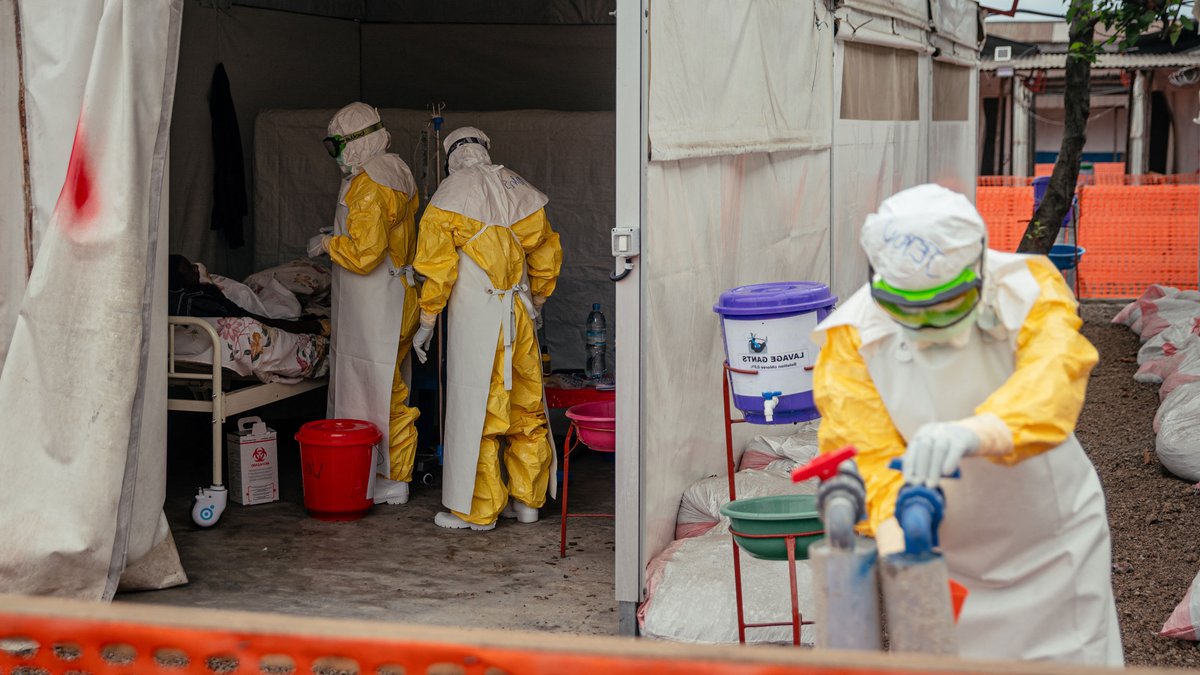
As the Ebola crisis continues in the Democratic Republic of Congo, more than 5,200 confirmed cases and over 2,500 deaths have been recorded since the World Health Organization declared a public health emergency on May 17.
International aid and coordination
The United States has allocated $512 million in direct assistance and imposed a temporary travel ban on non‑citizens from the affected region. The aid package is intended to bolster treatment facilities and support vaccine research.
On June 5, the African Union’s health agency and the World Health Organization released a joint response plan that calls for more than $500 million over six months. The plan emphasizes a “One Response” strategy to improve cross‑border communication and to replace blanket travel restrictions with targeted guidance.
A brief numbers paragraph: 5,200 cases, 2,500 deaths, 44 % fatality rate, 550 patients in isolation, 20 cases and two deaths in neighboring Uganda, no new Ugandan cases since June 21.
Local institutions leading surveillance
The National Institute for Biomedical Research, a subagency of Congo’s health ministry, runs testing labs in Ituri province, the hardest‑hit area. Officials say genomic surveillance is an “essential tool” for tracking viral changes and informing vaccine trials.
Related: Florida Gun Violence Claims Most Black, Latino Children
Doctors Without Borders, known locally as MSF, has more than 1,400 staff on the ground. Kate White, an emergency medical coordinator, noted that the organization’s financial stability allows it to partner with other groups to distribute resources.
International Medical Corps has been active since mid‑May, establishing treatment centers and rapid‑response teams. Senior director Erica Tavares explained that the group also supports primary health services to keep communities seeking care.
Training local health workers remains a priority. “Historically, we’ve always had training as part of our response program,” she said, adding that this builds capacity for future health threats.
SOFEPADI, a Congolese nonprofit focused on women and girls, is addressing gender‑based risks. The group warns that women often bear the brunt of disease exposure as caregivers, and that protecting them safeguards the entire community.
In the middle of these efforts, a lingering risk exists that prolonged conflict could undo progress. If security deteriorates, health teams may lose access to remote villages, slowing case detection and treatment. Continued funding and diplomatic pressure will be needed to keep supply lines open.
New infections have fallen sharply.
Related: New Protein Rivals Whey for Muscle Building
Travel guidelines released by Africa CDC advise avoiding contact with bodily fluids and recommend basic hygiene measures at public gatherings, rather than imposing sweeping travel bans.
Local laboratories have begun sequencing virus samples, a step that could accelerate the development of an effective vaccine. Researchers hope that data sharing will speed trials that are already underway.
Community education campaigns run by International Medical Corps aim to dispel myths that fuel distrust. Workers use radio broadcasts and village meetings to explain how the disease spreads and why isolation is necessary.
Funding gaps remain a concern. While the United Nations and donor nations have pledged substantial sums, the joint response plan still calls for additional resources to sustain operations through the end of the year.
Health officials stress that maintaining routine medical services is vital. “We want people to continue to come to facilities,” Tavares reiterated, highlighting the need to balance outbreak response with general health care.


