
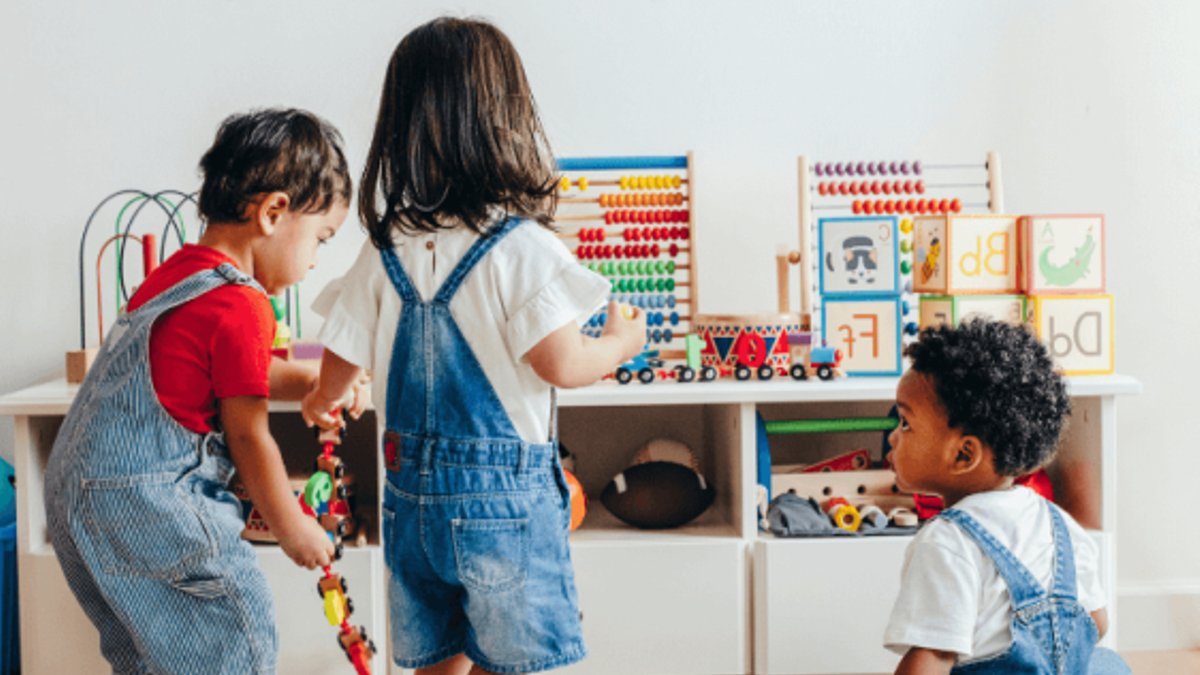
Stuart Brown has spent his career studying play as a fundamental force in human development. A psychiatrist and founder of the National Institute for Play, he has collected thousands of case studies showing how play shapes creativity, relationships, and survival. His work demonstrates that play is essential for people of all ages.
The Problem-Solving Power of Play
In the late 1990s, NASA’s Jet Propulsion Laboratory encountered a crisis. Engineers who had put humans on the moon were retiring, and their replacements—top graduates from MIT, Stanford, and Caltech—struggled with practical problem-solving. These new hires could solve complex equations but failed to identify flaws in systems or rework parts creatively.
The lab’s leadership realized they had been hiring for the wrong skills. JPL began asking job candidates about their childhood play habits. The change improved hiring outcomes. Engineers who excelled at creative problem-solving had spent their youth dismantling and rebuilding objects.
Related: Garden Fresh Starting Salad from Seed to Bowl
Play, even when it appears unproductive, builds skills that translate into real-world success. The scientists at JPL didn’t need constant play—they needed enough to develop flexibility and curiosity, qualities often overlooked in rigid academic training. What looks like wasted time might actually form the foundation of innovation.
For parents concerned about structured activities replacing free play, this serves as a warning. A child focused on a cardboard box instead of an expensive toy isn’t being difficult. They’re engaging in the kind of exploration that builds adaptability. The box offers a blank slate; the toy provides a script. One invites discovery; the other demands compliance.
Play as Survival
Play isn’t unique to humans. In the Canadian Arctic, a 1,200-pound polar bear approached a sled dog named Hudson. The bear was starving because sea ice hadn’t formed, cutting off access to seals. Hudson didn’t bark or flee. Instead, he wagged his tail and bowed, signaling play. The bear responded.
Related: Healthcare Governance Must Accelerate to Curb AI Misuse
The sea squirt illustrates the opposite. As a juvenile, it swims with a primitive brain, exploring its environment. Once it attaches to a rock as an adult, it digests its own brain. Without the need to move or adjust, its neural capacity becomes unnecessary. The principle applies to humans as well. Play keeps the brain flexible, whether in a 70-year-old solving crossword puzzles or a child negotiating the rules of a pickup game.
What Happens When Play Disappears
Sir Ken Robinson shared the story of Gillian Lynne, the choreographer behind Cats and Phantom of the Opera. As a child in 1930s Britain, she was labeled “mentally disabled” for fidgeting in class. A specialist observed her moving to music when left alone and recognized her as a dancer, not a problem. Lynne later became a principal in the Royal Ballet and a multimillionaire. Today, Robinson noted, she would likely be medicated for ADHD.
The Okinawans, known for their longevity, credit their health to diet, exercise, and play—particularly engaging with children. A study at Albert Einstein and Syracuse universities found that people who regularly did puzzles, read, or engaged in mentally demanding work had a 63% lower risk of Alzheimer’s. Play is a biological necessity, not just a pastime.
Related: AGS Health expands team to boost RCM AI growth
Brown’s childhood memories of pickup games reveal how play shapes identity. In these games, rules were negotiated on the spot, and it was acceptable to cry if hurt but not to complain. He describes these experiences as more formative than any other influence. The self that emerges through play is the core self, unfiltered by adult expectations.
Yet structured activities now dominate childhood. Parents schedule soccer practice and piano lessons, leaving little time for unsupervised play that builds resilience. Even in organized settings, children create their own private play spaces, goofing off when the coach isn’t watching. The instinct for play is too strong to suppress entirely. The issue isn’t whether children will play, but whether adults will allow it.
Brown doesn’t promote play as a way to boost productivity, though the benefits are clear. The real reason to value play is simpler: it connects people with themselves and others. A life without play isn’t just less joyful—it’s less lively.


