
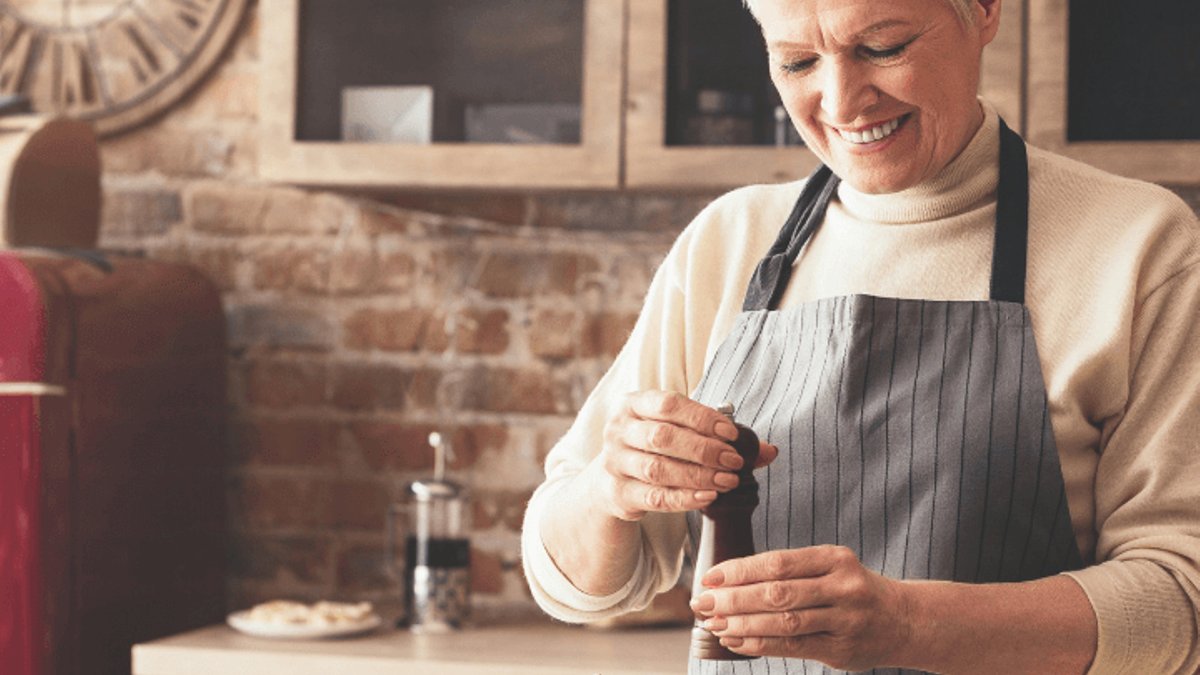
Cooking with intention doesn’t require extra time or special ingredients. It involves pausing—even briefly—to change how you engage with food and yourself in the kitchen.
The BESTT ritual: A five-step pause
Chef and author Nicki Sizemore created a simple framework called BESTT to guide intentional cooking. The acronym represents five actions: Breathe, Engage your senses, Set an intention, Thank your food, and Thank your body.
The method isn’t rigid. Some days, two deep breaths might be all you can manage. Other days, gratitude becomes the focus. The aim isn’t perfection but connection, even when things go wrong, like burned chicken or interruptions.
Sizemore says the practice helps reshape habits in the kitchen. Over time, these small pauses can feel as natural as putting on an apron or turning on music before starting to cook.
Related: Vitamins aid mental health recovery
How it works in practice
Begin with breathing. Two slow breaths can ease tension and bring you into the moment. Then, use your senses: notice the kitchen’s scent, the sounds around you, or the floor beneath your feet.
Next, set an intention. It could be as simple as deciding to stay present while chopping vegetables. Gratitude follows—acknowledging the food for its nourishment and the people, work, and nature behind it. Finally, recognize your body for its ability to process nutrients effortlessly.
The steps aren’t meant to add stress. Instead, they create room to observe what’s already happening: the knife in your hand, steam rising from a pot, or the quiet hum of the refrigerator.
Recipes as an extension of mindfulness
Sizemore combines her approach with straightforward, flexible recipes. A one-bowl green salad, for instance, becomes a way to practice mindfulness—no strict rules, just fresh ingredients and awareness. Other dishes, like her herby potato salad or two versions of yogurt cake, focus on nourishment without demanding flawless execution.
Related: Nordstrom Offers Discount on Vuori Shorts
The recipes themselves aren’t the main point. What counts is the change in focus: from rushing through a meal to appreciating the process of making it.
This method isn’t about changing how you cook. It’s about noticing small, often missed moments—like the weight of a mixing bowl or the sound of oil sizzling—and letting them ground you.
For those who feel disconnected from their food or their bodies, these pauses might feel strange at first. With practice, they can become a natural part of cooking’s rhythm.
Sizemore’s work connects culinary skills with personal well-being. She wrote Build-a-Bowl and Fresh Flavors for the Slow Cooker, and hosts a newsletter and podcast called Mind, Body, Spirit, FOOD. Her recent writing makes these ideas accessible, presenting cooking as a way to care for both body and mind.


