
Healthcare costs have become a decisive factor for voters in California’s 22nd Congressional District as the race tightens ahead of the midterm election.
Personal accounts highlight the pressure
Carlos, a 27‑year‑old who grew up on Medicaid, said the shift to employer‑based coverage left him scrambling to afford premiums and copays. “It was a panic at first,” he told the interview.
He also faces a prior‑authorization hurdle for a medication he’s used for a decade. “I felt that this was a slap in the face because I’m paying for my premiums,” he said, adding that the insurer’s switch to a generic felt like “funny business.”
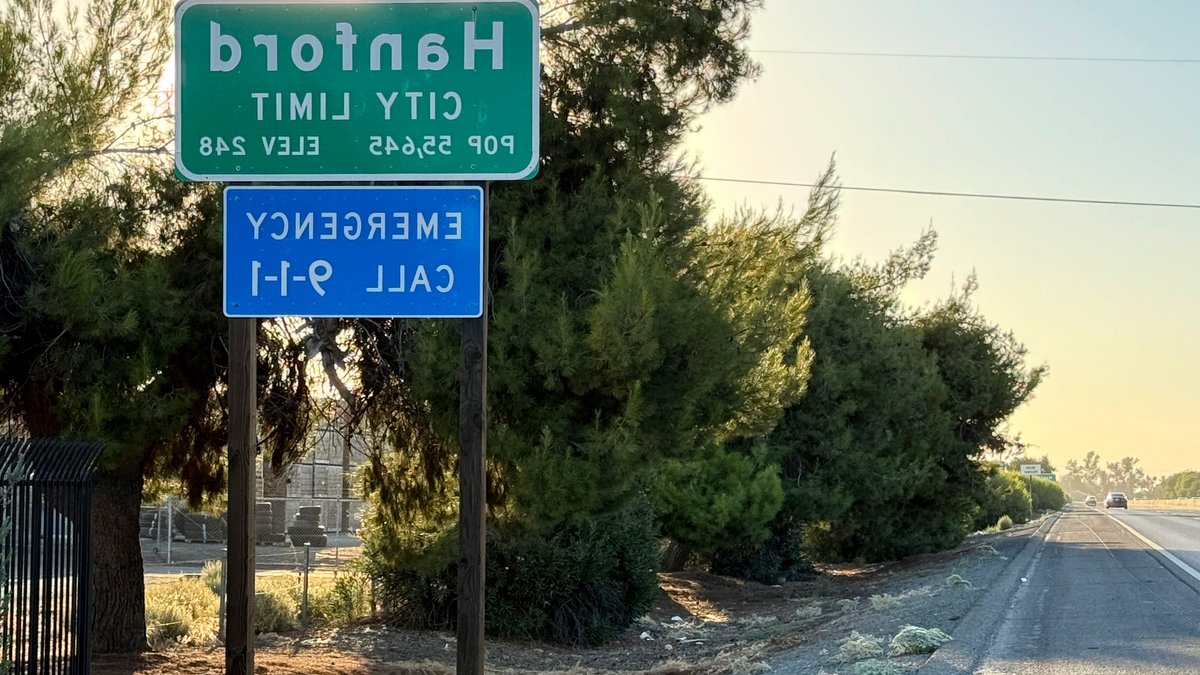
Matthew Depue, a Hanford resident with private insurance, noted that a 10 % premium rise on Covered California plans has made budgeting tighter. He observed, “People go from here to Mexico to get stuff done because it’s so much cheaper.”
Patreza Newton, who now relies on a church‑provided plan, described herself as “in‑between” – earning too much for Medicaid but still struggling with high‑deductible costs. After a $65,000 hospital bill, she said, “I do think there should be a way that people can afford it, no matter who they are.”
Related: State Shares Opioid Funds With Sheriffs
Why the district matters nationally
The 22nd District, stretching from Bakersfield to western Fresno County, holds the nation’s highest Medicaid enrollment rate among Republican‑held seats, at 64 % according to KFF. That concentration makes the area a litmus test for any changes to public insurance programs.
With nearly a quarter of registered voters listing no party preference, the district’s electoral balance could swing the control of the U.S. House. The race is being watched as a proxy for how health‑policy debates may shape future congressional majorities.
Incumbent’s record and challenger’s promises
Representative David Valadao defended his vote for HR 1, saying it protects Medicaid for children, pregnant women, disabled adults and seniors while introducing work‑requirements for nondisabled adults. “Polling shows that the majority of Americans want us to have our programs to be sustainable,” he told a local TV station.
Critics note that HR 1 also cut billions from programs serving low‑income Californians. The California Health Care Foundation projects that the new work‑requirement documentation could push roughly 1.1 million people out of coverage by 2030.
Democratic challenger Randy Villegas, a former school board member backed by Senator Bernie Sanders, framed the vote as a cut that harms nearly 70,000 Valley residents. “In Congress, I’ll fight to reverse those cuts and lower healthcare costs,” he said in a campaign statement.
Related: Omega-3 trends in Asia focus on longevity
Valadao’s office declined to comment on the upcoming election. His campaign materials continue to stress support for “quality, affordable health coverage” and maintaining access for the most vulnerable.
Voters like Depue remain undecided, weighing health‑care concerns alongside taxes and job prospects. “I haven’t had to delay care,” he noted, “but rising costs are hard to ignore.”
Newton, still weighing her options, said none of the candidates have shown the initiative she expects. “I’m not looking for overwhelming promises, just a leader who understands what families are experiencing,” she explained.
The district’s voter registration stands at 42 % Democratic, 26 % Republican and 24 % no‑party‑preference, according to the latest state report.
Election officials will finalize the ballot in early October, and both campaigns have ramped up outreach in Bakersfield and surrounding communities, emphasizing their health‑care platforms as the race draws near.


