
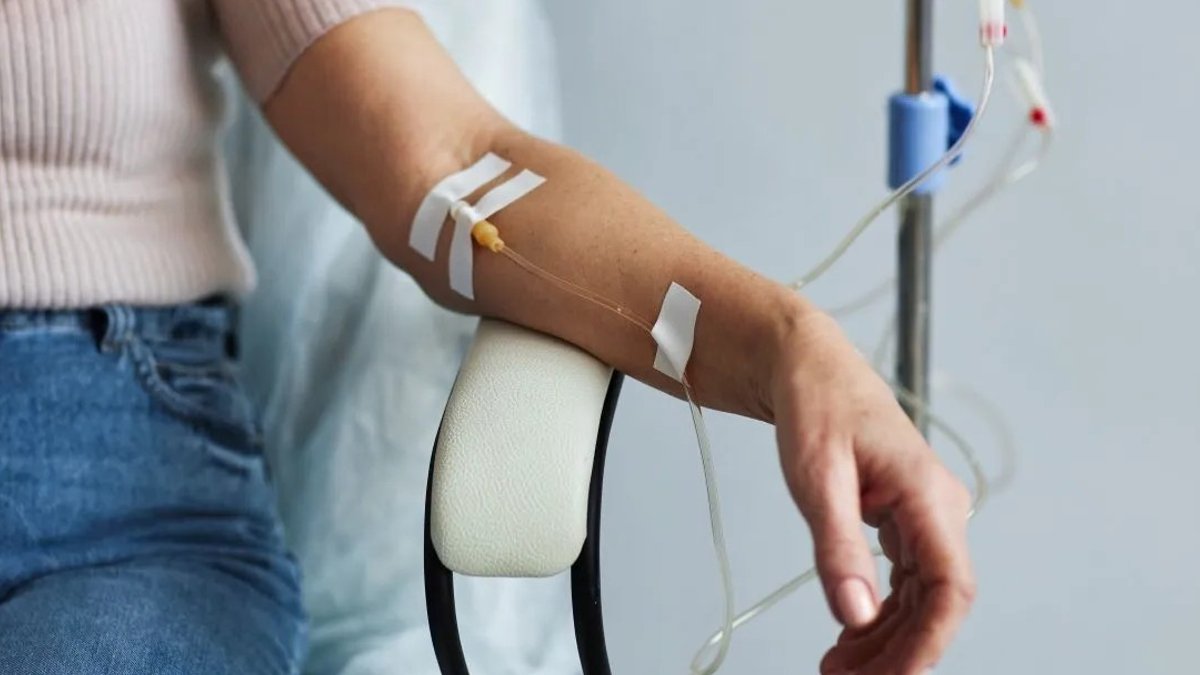
A study has found a dramatic increase in the number of Australian women receiving intravenous (IV) iron treatments in the past decade. Between 2013 and 2024, the researchers found a 17-fold increase in IV iron use among women of reproductive age.
In 2024, one in 20 women received the treatment. The increased use between 2013 and 2024 also brought on a substantial increase in cost.
The government’s patient spending on the treatment increased from AUD$1.1 million (US$781,232) to AUD$82 million (US$58.2 million).
Iron Deficiency in Women
Iron deficiency is one of the most common health issues affecting reproductive women, as heavy menstrual bleeding, pregnancy, childbirth, and breastfeeding increase the body’s need for iron.
If untreated, iron deficiency may cause debilitating fatigue, reduced physical capacity, poor concentration, and an overall decreased quality of life.
Related: Omega-3 trends in Asia focus on longevity
IV Iron Treatments
The study, published in the Internal Medicine Journal, found that the increased use of iron IV treatments increased from 0.3 to five women in 100, between 2013 and 2024.
The IV type ferric carboxymaltose accounts for 94% of prescriptions. The researchers found that one in four women did not complete the treatment course that was prescribed to them.
This may be due to the high cost of continuing treatment, or because they felt noticeable health improvements after one injection.
Concerns and Recommendations
Co-author of the study, Luke Grzeskowiak, associate professor at Flinders University’s College of Medicine and Public Health, Adelaide, Australia, notes that IV iron can be an important treatment option for women struggling with iron deficiency.
“For women struggling with iron deficiency, particularly when oral iron tablets are ineffective or cause troublesome side effects, IV iron can be an important treatment option,” says Grzeskowiak.
“It can replenish iron stores more quickly and help women feel better sooner, which can make a real difference to their daily lives.”
Related: Breastfeeding linked to better child health outcomes
Lead author of the study, Dr. Gizat Kassie, research fellow at the South Australian Health and Medical Research Institute, expresses concerns about the findings of treatment consistency.
He believes that some of the variation may reflect differences in clinical practice, but cost could also be playing a role.
The researchers stress that this raises concerns as some women may not receive sufficient treatment, and they need to better understand what is driving these differences.
The researchers note that the study findings reflect an increase in awareness among the health implications of iron deficiency for women’s health.
“Iron deficiency can have a significant impact on women’s health and well-being, but it is treatable,” says Grzeskowiak. “Our findings show that intravenous iron has become an increasingly important part of care for Australian women, and we need to make sure its use remains evidence-based, effective, and equitable.”


