
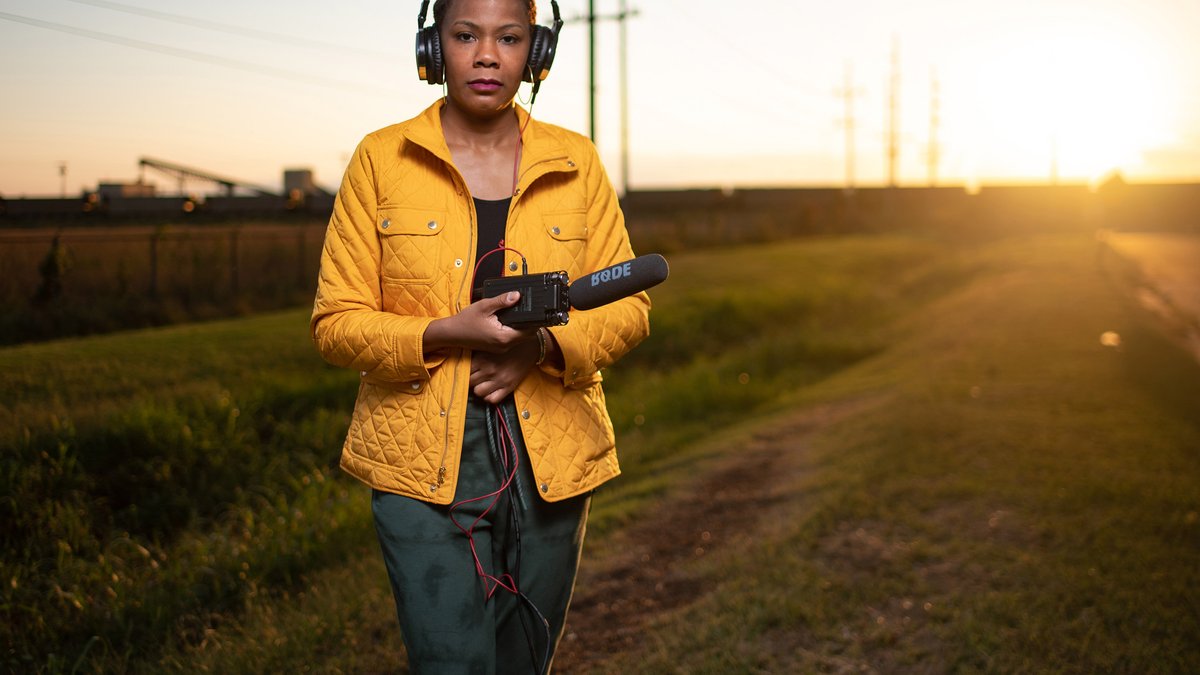
Silence in Sikeston is a podcast that revisits two fatal encounters involving Black men in the same Missouri community, exploring how those events have shaped local health outcomes.
Historical tragedies revisited
In 1942, Cleo Wright was taken from a jail in Sikeston and killed by a mob. The episode is documented in historical records of American lynchings.
Nearly eight decades later, in 2020, Denzel Taylor died after being shot by police officers in the same town. Both incidents involved Black fathers and sparked outrage at the time.
The two deaths, separated by 78 years, illustrate a pattern of violence that local activists say has left a lingering imprint on residents’ well‑being.
Health toll of community trauma
Podcast creators link the killings to a range of health issues reported by survivors: recurring hives, raised blood pressure, chronic inflammation, heart disease and heightened anxiety.
The silence feels like a thick blanket, smothering conversation about these wounds.
While the podcast does not claim medical causality, it highlights the correlation between systemic bias and health disparities.
Residents determined to improve their health are seeking ways to address the underlying inequities.
Podcast production details
The series is hosted by Tina M. McDuffie and produced by a team that includes director Jill Rosenbaum and writer Jill Rosenbaum.
Audio production was handled by Zach Dyer and Taylor Cook, with sound design by Lonnie RoWeb.
Editing credits list Terry Byrne, Gabe Brison‑Trezise, and several others, while visual elements were captured by photographer Michael B. Thomas.
A bonus episode scheduled for September 24, 2024 will feature host Cara Anthony answering questions from WORLD’s editor‑in‑chief Chris Hastings.
For listeners who want the full transcript of the trailer, a link is provided on the series’ webpage.
Beyond the core audio team, the project lists Taunya English, Kytja Weir, and Simone Popperl as editors, ensuring the narrative stays focused on lived experience.
Copy editing was overseen by Terry Byrne and Gabe Brison‑Trezise, whose careful attention to language helps preserve the authenticity of each voice.
Social‑media producers Tarena Lofton and Hannah Norman amplify the stories across platforms, inviting broader community participation.
Production oversight includes Lynne Shallcross, Oona Zenda, and Lydia Zuraw, who coordinate logistical elements that bring field recordings to listeners.
Senior producer Karen M. Sughrue guides the overall editorial direction, while executive producer Kyra Darnton secures the resources needed for the multi‑medium approach.
Digital producer Sharon Wong and editors Jill Poisson and Cecilia Préstamo manage the online presence, ensuring the transcript and supplemental materials remain accessible.
Assistant editor Abhi Indrekar supports the editorial workflow, and digital associate producer Brigitte McIndoe integrates interactive components into the series.
Post‑production assistant Jenny Tan handles final audio polishing, and senior editorial advisor Judith Vecchione offers strategic guidance on framing the public‑health narrative.
Project manager Georgiana Lee coordinates distribution, linking the podcast with the accompanying documentary film and written stories that together form the reporting project.
The series is explicitly positioned as an invitation to speak the unsaid, encouraging listeners to engage with a conversation that has long been muted in the community.
By weaving together personal testimony, historical context, and health research, “Silence in Sikeston” seeks to illuminate how systemic racism translates into measurable bodily effects, while also highlighting pathways toward collective healing.


