
University of Oxford’s investigational vaccine candidate against Lassa fever began its first human trial in Ghana, marking a significant step in the fight against the deadly viral disease. The study, conducted at the Kintampo Health Research Centre in central Ghana, aims to evaluate the safety and immune response of ChAdOx1 LassaJ in up to 51 healthy adults aged 18-55 years. The trial is part of a broader effort supported by the Coalition for Epidemic Preparedness Innovations (CEPI) to develop the first licensed vaccine for Lassa fever, a haemorrhagic fever prevalent in West Africa.
Ghana Trial Launches
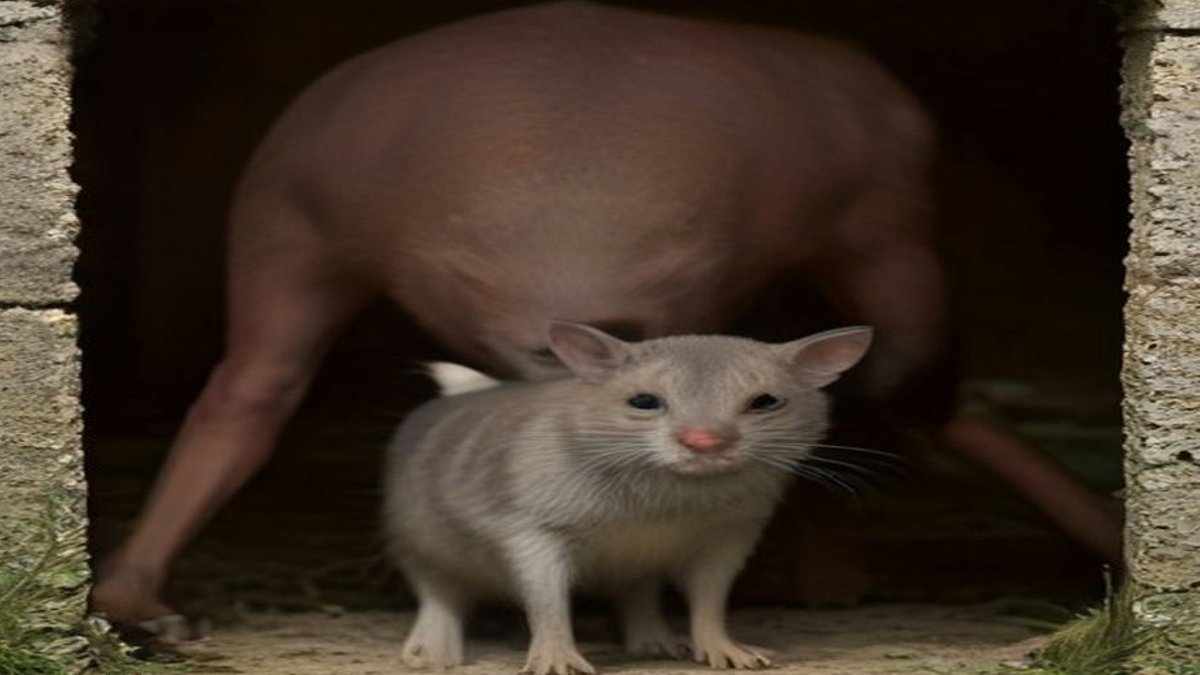
The Ghana trial follows a parallel study in Oxford, UK, both designed to assess the investigational vaccine’s safety profile and immunogenicity. Lassa fever, transmitted through contact with urine or droppings of infected Mastomys rats, has claimed thousands of lives annually, primarily in Nigeria. While no current vaccines exist, Prof. Kwaku Poku Asante, Director of Kintampo Health Research Centre, emphasized the trial’s relevance given cross-border travel between Ghana and Nigeria.
Prof. Asante stated, “Lassa fever may not be an outbreak in Ghana at this moment, but it is prevalent in places like Nigeria, and Ghanaians and Nigerians interact and travel across the border every day.”
Oxford’s ChAdOx1 Technology
The ChAdOx1 LassaJ vaccine leverages the same viral vector technology used in Oxford-AstraZeneca’s COVID-19 vaccine, which proved effective during the pandemic. Professor Dame Sarah Gilbert of the University of Oxford developed the candidate, building on years of research into ChAdOx1-based platforms. The Oxford trial aims to build on the COVID-19 vaccine’s safety and efficacy data, which contributed to saving over six million lives globally in 2021 alone.
Professor Maheshi Ramasamy, Chief Investigator of the study, hailed the launch as a milestone. “This is a wonderful moment for everyone who has worked so hard to bring the study to this point,” she said, praising the collaboration between researchers and the dedication of study participants. CEPI has allocated up to $24.9 million to support Oxford’s Lassa fever vaccine development, alongside its prior backing of the Oxford-AstraZeneca COVID-19 vaccine.
Regional Coordination and Impact
The Lassa fever Coalition, led by the West African Health Organization (WAHO), coordinates regional efforts to accelerate vaccine development and ensure equitable distribution. Dr. Virgil Lokossou, WAHO’s Director of Healthcare Services, noted the pride in seeing a West African-led trial, emphasizing preparations for rapid vaccine rollout once proven effective. Modeling by CEPI suggests a licensed vaccine could save 3,300 lives over a decade and prevent $128 million in societal costs across West Africa.
Dr. Katrin Ramsauer, Lassa Disease Programme Lead, highlighted the trial’s role in advancing regional research capacity. “More than 50 years after Lassa fever was first identified, communities across West Africa are still waiting for a licensed vaccine,” she said. The disease, first discovered in 1969 in Lassa, Nigeria, remains a top priority for global health authorities due to its high mortality and transmission risks in endemic areas.
This consortium includes West African leaders and public health experts collaborating with vaccine partners.


