
Researchers in South Korea have found evidence suggesting that perilla oil may improve cardiovascular health markers in smokers, according to a new clinical trial. The study, published in the journal Food and Function, examined the effects of perilla oil supplementation on blood clotting and inflammation in a group of 65 healthy adult smokers.
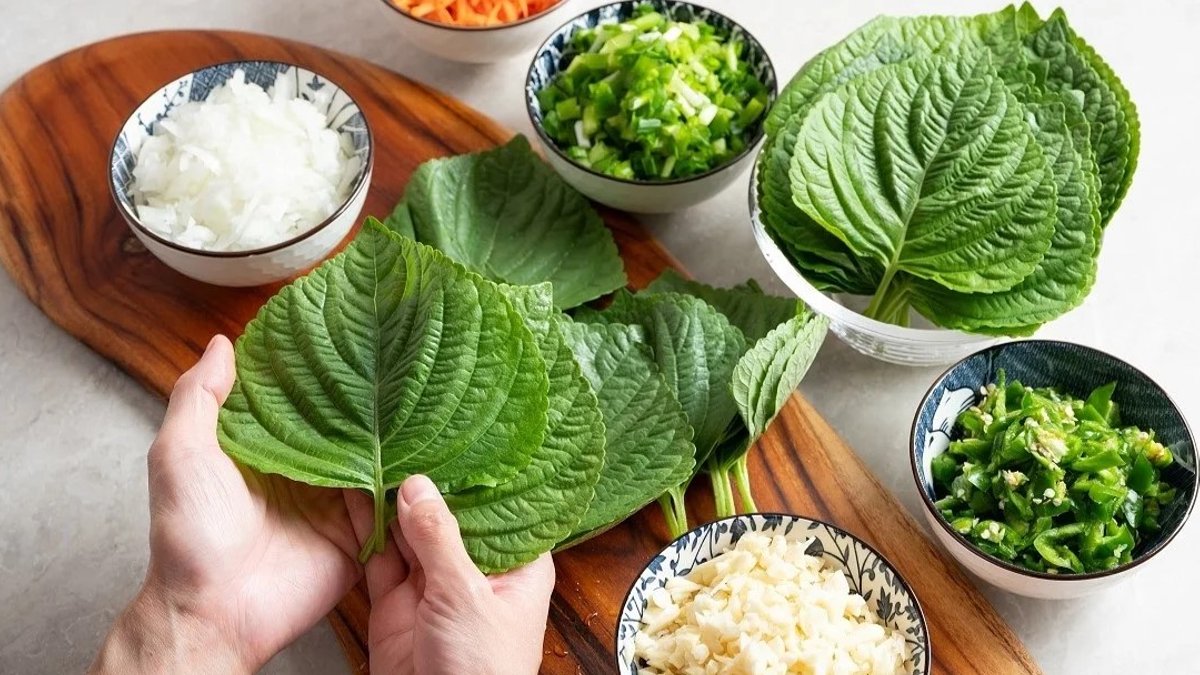
The oil is extracted from perilla leaves, an aromatic plant native to Asia. It is a common ingredient in Korean cuisine, often served as a side dish or used to wrap seasoned meats. Perilla seeds are also pressed to create the oil, which contains a high concentration of alpha-linolenic acid (ALA), an essential omega-3 fatty acid.
Lead researcher Ji Yeon Kim, a professor at Seoul National University of Science and Technology, explained that the plant is one of the richest plant-based sources of ALA, containing roughly 60 to 70 percent of the fatty acid. “It is also widely used in the Korean diet and can help improve the dietary omega-6-to-omega-3 balance,” Kim said. “This made it a practical and relevant plant-based intervention.”
While fish oil is generally more effective at raising levels of eicosapentaenoic acid (EPA) and docosahexaenoic acid (DHA), perilla oil offers a viable plant-based alternative for increasing ALA intake.
Effects on clotting and inflammation
Participants in the randomized, double-blind, placebo-controlled trial took either three perilla oil capsules twice daily or identical placebo capsules for eight weeks. The study focused on smokers because tobacco use is a major risk factor for cardiovascular disease and is associated with higher mortality rates.
Related: Cargill postbiotic reduces inflammation within hours
Compared to the placebo group, the perilla oil group showed a significant prolongation in collagen-induced ADP closure time (C-ADP CT). This measurement assesses how well blood can form clots, with a longer time often indicating better blood flow.
The results also showed a reduction in the mRNA expression of inflammatory markers, specifically tumor necrosis factor-α (TNF-α) and T-box transcription factor 21 (TBX21). Perilla oil supplementation also raised levels of ALA and its metabolites in plasma and red blood cells, while boosting plasma levels of EPA.
The study noted that higher EPA levels were positively correlated with longer C-ADP CT, suggesting a link between omega-3 status and platelet function.
Limitations and next steps
Kim cautioned that while the results are promising, they should be interpreted carefully because the study involved healthy smokers rather than patients with established heart disease. She noted that similar effects might be seen in people with low omega-3 intake or high cardiovascular risk, but this requires confirmation in larger studies.
Participants underwent a high-fat, high-glucose loading test to assess cardiovascular effects under metabolic stress. The test did not reveal significant benefits, suggesting that a longer supplementation period may be necessary to detect such effects.
Related: New Protein Rivals Whey for Muscle Building
The researchers recommend that future studies involve larger and longer clinical trials with diverse groups, including non-smokers and individuals with cardiovascular disease, to confirm the optimal dose and long-term effects.
Kim suggested that future research could explore how perilla oil interacts with other dietary components to reduce inflammation.
Perilla oil provides a plant-based source of ALA, which supports heart health by lowering the ratio of omega-6 to omega-3 fatty acids in the diet. This balance is important for reducing systemic inflammation.
While the current study focused on healthy smokers, further research is needed to determine if these findings apply to broader populations.


