
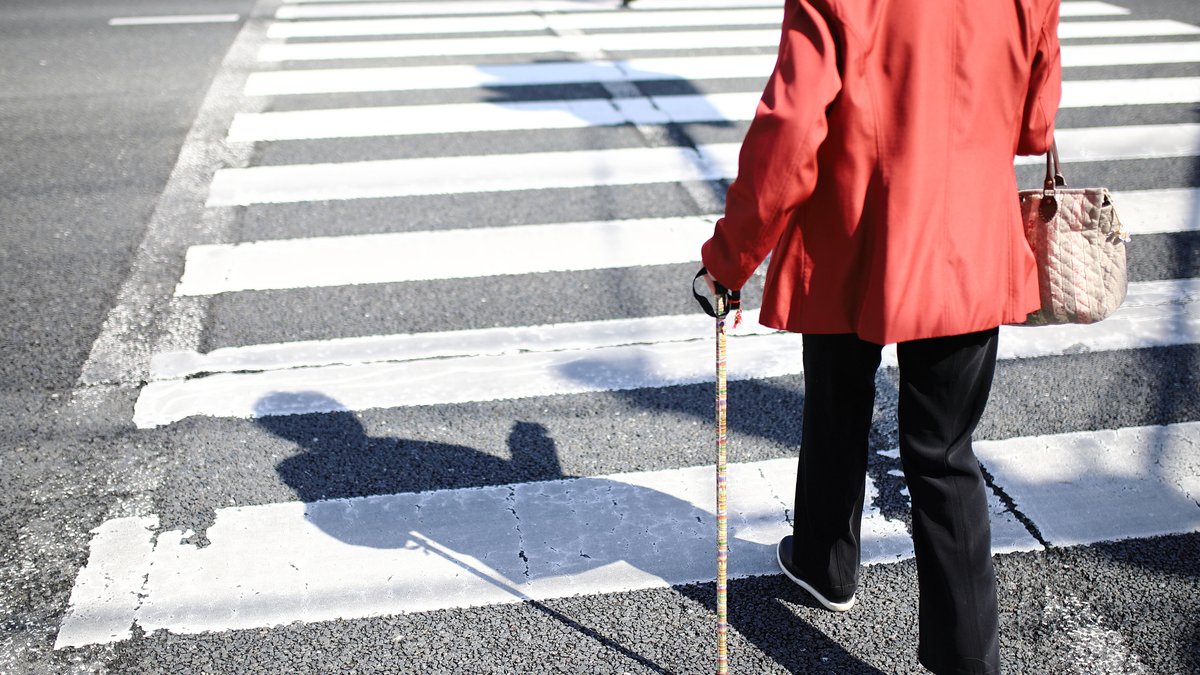
Older pedestrians face a higher risk of dying in vehicle collisions, a trend that persists despite overall safety gains for the general public.
Why seniors are more vulnerable on the street
Data from the National Highway Traffic Safety Administration show that while the number of injuries to walkers over 65 is similar to younger groups, the fatality rate is markedly higher. In 2023, more than 1,500 seniors died after being struck, and nearly 8,200 were injured, a figure likely low because not all crashes reach police files.
Experts point to a mix of physical and sensory factors. “They move through intersections at a slower pace,” said Andrew Rundle, an epidemiologist at Columbia University. Diminished hearing or vision can delay the detection of an approaching car, and slower reaction times reduce the chance to step aside.
Related: Trump Cuts Autism Protection Agencies
Age‑related frailty also matters. “They have greater frailty, loss of muscle mass and fragile bones,” Rundle added. A broken hip that might heal in weeks for a middle‑aged adult can become a life‑changing injury for a 75‑year‑old, according to Charles DiMaggio of New York University’s Grossman School of Medicine.
One recent case illustrates the personal impact. On an August morning two years ago, Meredith Melville, then 73, was crossing Piedmont Avenue in Oakland when a Toyota sedan struck her. “She should have seen me,” she recalled, describing how the car appeared suddenly and left her with no way to avoid it. She spent a week in the hospital, a month in rehab, and now uses a cane, still coping with back and knee pain.
Changing patterns and new hazards
Exposure to traffic has risen as more seniors walk for health. The National Health and Aging Trends Study reports that 65 % of adults 65 and older said they walked for exercise in 2023, up from 60 % in 2011. “We encourage them to, because quality of life includes daily physical activity,” noted Stephen Mooney, an injury epidemiologist at the University of Washington.
Vehicle design also plays a role. Larger SUVs and trucks have higher hoods and bigger blind spots, making them harder for walkers to see. A recent investigation highlighted how these features contribute to rising deaths, especially for older adults who may already struggle to notice a vehicle.
Related: Clinical Trials Come With Significant Hurdles
The surge in e‑bikes adds another layer of risk. From 2019 to 2022, emergency‑room data showed a nearly 300 % jump in e‑bike injuries. While the term “e‑moto” is used for faster, heavier models, regulators are still figuring out how to treat them. “E‑motos need to be regulated like motor vehicles,” said Noah Miterko of PeopleforBikes.
Alcohol involvement is another often‑overlooked factor. About one‑third of adult pedestrians killed at night had blood‑alcohol levels indicating intoxication, and roughly 20 % of daytime fatalities did as well. “It’s almost a blind spot,” Rundle said, noting that public health messaging focuses heavily on drunk drivers but less on impaired walkers.
Comparing this to earlier decades, pedestrian deaths fell sharply from the mid‑1970s through the early 2000s, yet the decline stalled for seniors about twenty years ago. The Insurance Institute for Highway Safety reports that the fatality rate for walkers 70 and older has remained flat from 2008 to 2024, while rates for younger groups kept dropping.
One way cities are responding is through the Vision Zero framework, which aims to redesign streets to protect all users. Improvements such as pedestrian islands, better lighting, and longer signal phases give walkers a head start before turning cars move. More than 200 municipalities have adopted such measures, seeking to lower speed limits and enhance visibility.
Related: Mark Cuban says healthcare needs price transparency
Research shows that seniors are especially at risk near places with high foot traffic, like hospitals, pharmacies, and community centers. Targeted traffic‑calming strategies in these zones could mirror successful school‑zone safety programs.
In a broader sense, the pattern mirrors other age‑related safety challenges: as people live longer and stay active, the environment must adapt. The rise in senior walking mirrors past shifts where increased bicycle use prompted new infrastructure. If cities invest in safer crossings and consider the unique needs of older walkers, the fatality gap could narrow.
Melville, now out and about with a cane, says she still misses the hikes she once enjoyed but remains determined. “I’m leading a normal life,” she says, acknowledging the lasting impact while still moving forward.


