
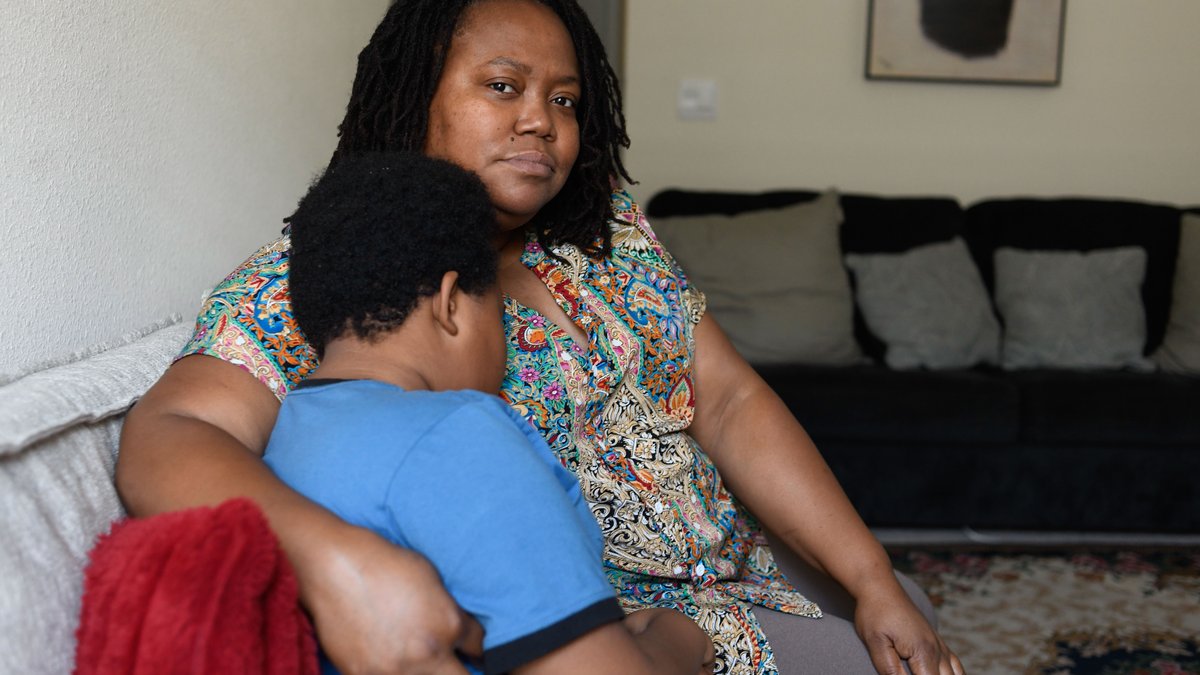
At Chain of Lakes Elementary School in Winter Haven, Florida, Josette Smith’s 9-year-old son, Ethan, gets to do what he loves most: crafts, math, and science. That is, when he isn’t being pulled out of class. Ethan has autism and attention-deficit/hyperactivity disorder. He was diagnosed with autism in kindergarten after displaying behavior that concerned his relatives: He paced, flapped his arms, and became consumed with highly specific interests, such as Martin Luther King Jr. and dachshunds.
In a meeting with school administrators and the district to develop his individualized education program, a legal agreement that outlines the support Ethan requires, the team agreed he required a trained paraprofessional to help him regulate his emotions and remain in class, according to complaints Smith filed against the school. However, the complaints alleged, administrators were unwilling to provide the dedicated aide.
About 1 in 31 U.S. kids by age 8 had been diagnosed with autism spectrum disorder as of 2022. Although previous research on disparities in childhood autism diagnoses has had mixed results, a recent study from the State University of New York at Albany’s Institute for Social and Health Equity found that race, gender, and socioeconomic gaps persist.
Among fourth graders from 2003 to 2022, students of color, girls, low-income students, and multilingual learners were less likely than peers to be identified with autism in school, even as diagnoses rose among children from historically marginalized groups, the study found. A large forthcoming study by the same researchers found the biggest gaps among overlapping identities. Black and Hispanic girls were especially unlikely to be identified.
Related: Medicare GLP-1 Discount Leaves Some Patients Excluded
President Donald Trump’s administration has put autism in the spotlight. In early August, Trump signed an executive order to whittle down routine immunizations for kids while falsely tying vaccines to autism. He has presented it as a personal priority and one of “the most alarming public health developments in history.”
Health and Human Services Secretary Robert F. Kennedy Jr. in April 2025 called autism a “tragedy” that “destroys families,” and he’s lent credence to ungrounded claims of autism’s causes, including unfounded links to childhood vaccines and Tylenol during pregnancy. The cuts to agencies and research have affected parts of the federal government focused on students with disabilities.
Nancy Potter, a former supervising attorney at the Office for Civil Rights who now runs her own education law firm, said the reorganization could leave families whose complaints involve overlapping harms — such as race and disability discrimination — caught between agencies built for different jobs.
Disability rights advocates fear that the changes to special education oversight will make it more difficult for families to enforce their children’s rights. Josette Smith awaits a decision about her federal civil rights case, which she was told could take more than a year amid the backlog, as Ethan has started fourth grade. She wants Ethan transferred to a school better equipped to support him, and she has also requested an expedited hearing for a due process complaint she filed with the state.
Related: July in Review: Peptides, GLP-1s, and AI Nutrition
Smith is dealing with autism and its challenges. The family is also addressing battery charges against Ethan, the first of which was filed in March after the school called police on him for allegedly hitting staff.
Without timely assessments and interventions, studies show, children of color with disabilities such as Ethan are disproportionately at risk of being funneled out of public schools and into the juvenile and criminal justice systems.
Catherine Lhamon, executive director of the Edley Center on Law & Democracy at the University of California-Berkeley School of Law, said it’s a scary time for families who want to protect their children’s rights. Lhamon noted that people are more likely to follow rules when they know they are being monitored.
If they think that there’s no one at the federal government watching them in school, we will see an increase in discrimination.


