
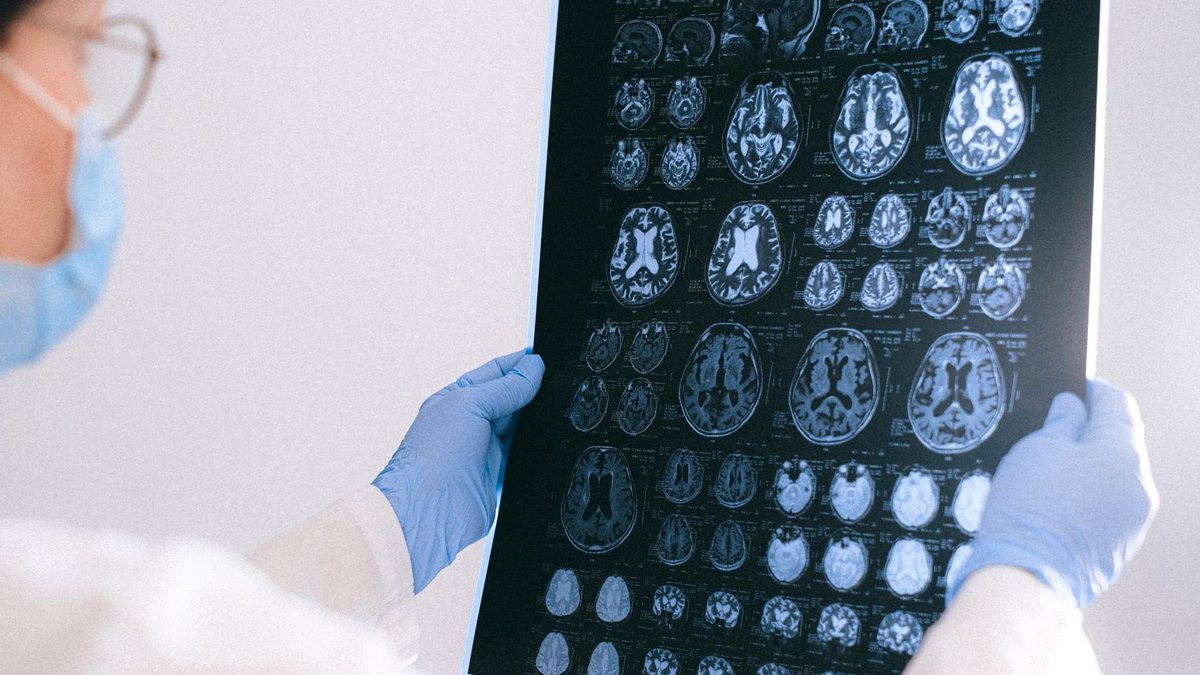
Humans may owe their unusually large brains to fruit, honey, and other naturally sweet foods. A recent study challenges the long-held belief that meat was the primary driver of human evolution.
Glucose demand shaped brain growth
A report in Science suggests glucose from carbohydrates played a key role in fueling the brain’s expansion over the past four million years. Jennie Brand-Miller, a professor of human nutrition at the University of Sydney, said the brain’s reliance on glucose has been largely overlooked in anthropological studies.
“While animal foods were important, the brain’s need for glucose received little attention,” she said. “Glucose is the brain’s primary energy source, and for much of human evolution, it came from carbohydrates in foods such as fruit and honey.”
The study modeled glucose requirements across six stages of human evolution, starting with early hominins like Australopithecus afarensis, whose brain weighed about 300 grams. Modern humans have brains averaging 1,500 grams, an increase that required significantly more energy.
Scientists calculated the glucose demand of the brain, red blood cells, kidneys, and reproductive tissues. They compared it to dietary intake based on the ratio of animal to plant-based foods. Early hominins likely obtained 65% of their daily energy from sugars in fruits and other sweet foods before cooking made starchy foods like grains and tubers easier to digest.
Sweet cravings tied to reproduction
Glucose also plays a role in pregnancy and lactation. Reproductive females need more of it to support the placenta, fetus, and milk production, which may explain why pregnant women often crave fruit.
“When considering the foods that supported human evolution, we must account for the nutritional needs of pregnancy and raising children,” said David Raubenheimer, a professor of nutritional ecology at the University of Sydney.
Related: NAD+ Supplement Slows Muscle Aging Markers
The authors argue that humans’ preference for sweetness is instinctive, shaped by millions of years of evolution. “For most of human history, fruit and honey were valuable energy sources, packed with fiber, vitamins, and minerals,” Brand-Miller said. “Our modern physiology reflects this history.”
Carbohydrates in a modern diet
The results do not dismiss the importance of meat, fat, or protein but suggest carbohydrates were equally important. “The evolution of a bigger brain involves carbohydrate foods as much as animal foods,” Brand-Miller said.
Dietary models in the study show that even with a 35:65 animal-to-plant energy ratio—typical of some hunter-gatherer societies—modern humans obtained about 25% of their energy from sugars and another 25% from starch. When the ratio shifted toward more animal foods, the carbohydrate balance became negative, increasing the risk of ketosis in reproductive females.
Brand-Miller advises against vilifying carbohydrates in modern diets. “People often think of carbohydrates as breads and cereals, but for most of human evolution, they came from fruits, honey, and underground plant foods,” she said. “Instead of fearing them, we should focus on high-quality sources like whole fruits, legumes, and nutritious grains.”
The research also examines how seasonal availability of sweet foods may have influenced foraging behaviors and brain development.
Brand-Miller attributes the lack of attention to this narrative to a cultural bias favoring meat as the cornerstone of human nutrition. “Our work offers a more complete picture,” she said. “Sugars and starches may have helped shape many traits that define us.”
The findings align with other studies on metabolic health.


