
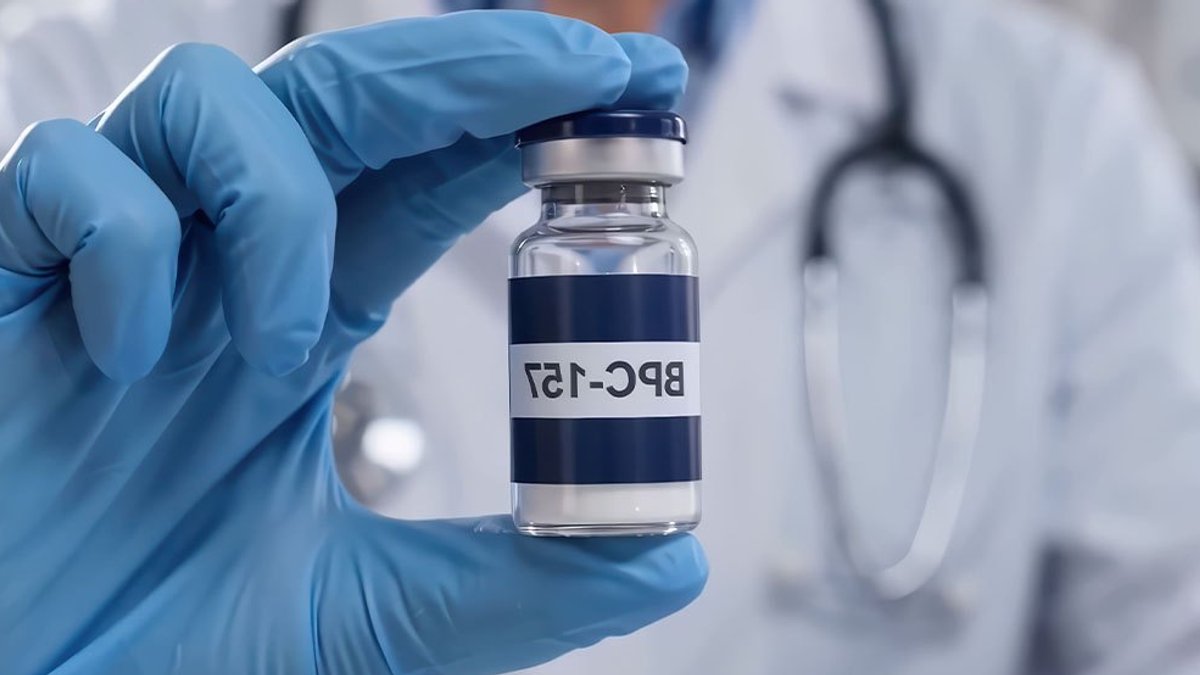
BPC-157, also known as the “Wolverine peptide,” has gained popularity in the fitness world for its supposed ability to accelerate healing. The peptide is often combined with TB-500 in what is referred to as the Wolverine Stack, a pairing that online forums promote despite the lack of scientific validation.
Researchers at health-data company nference searched over 15 million de-identified medical records and identified 1,039 patients whose doctors had documented BPC-157 use. The number of new users increased roughly 33-fold between 2020 and 2026.
Usage and Demographics
Over the study period, new users became younger and more male, with reported reasons including sports injuries, chronic pain, and gastrointestinal complaints. Compounding pharmacies and gray-market peptide sellers were the primary sources for these patients. The shift toward a younger, predominantly male cohort suggests that individuals engaged in high-intensity training are turning to the peptide as a recovery aid.
A notable aspect of BPC-157 is that it has never been approved by the FDA for treating any condition, including tendons, torn muscles, or digestive problems. Because the agency has not granted approval, any distribution occurs under the category of research chemicals or limited compounding exemptions. Much of its reputation stems from preclinical research, particularly animal experiments that have not been replicated in humans.
Read Also: TV Chef Chris Valdes Loses 40 Pounds Healthily
Regulation and Safety Concerns
The FDA advisory committee voted to recommend allowing BPC-157 for certain pharmacy compounding, but a final regulatory decision remains pending. The advisory panel’s recommendation was non-binding, meaning that additional data and a formal rulemaking process are still required. Meanwhile, there are concerns about the safety of buying peptides online, as products may not contain the advertised active ingredients.
Laboratory tests on supposedly injectable peptides purchased from New York shops found that products labeled BPC-157, PT-141, NAD+, and retatrutide failed to show the advertised active ingredients. The New York-based outlets tested included several storefronts that advertised the substances as ready-to-inject solutions. This raises concerns about the effectiveness and safety of these products.
The lack of adequately powered randomized human trials means that the effectiveness of BPC-157 in healing human connective tissue remains unproven. Without controlled clinical data, physicians cannot reliably prescribe the peptide, and patients are left to rely on anecdotal reports.
The Broader Context
It’s worth noting that the popularity of BPC-157 reflects a broader trend of people seeking alternative treatments for injuries and chronic conditions. This consumer interest has spurred a wave of online content, including forums, videos, and informal surveys that track usage patterns. As medicine scrambles to catch up with the demand for these treatments, it’s essential to prioritize rigorous scientific testing to ensure their safety and effectiveness.


