
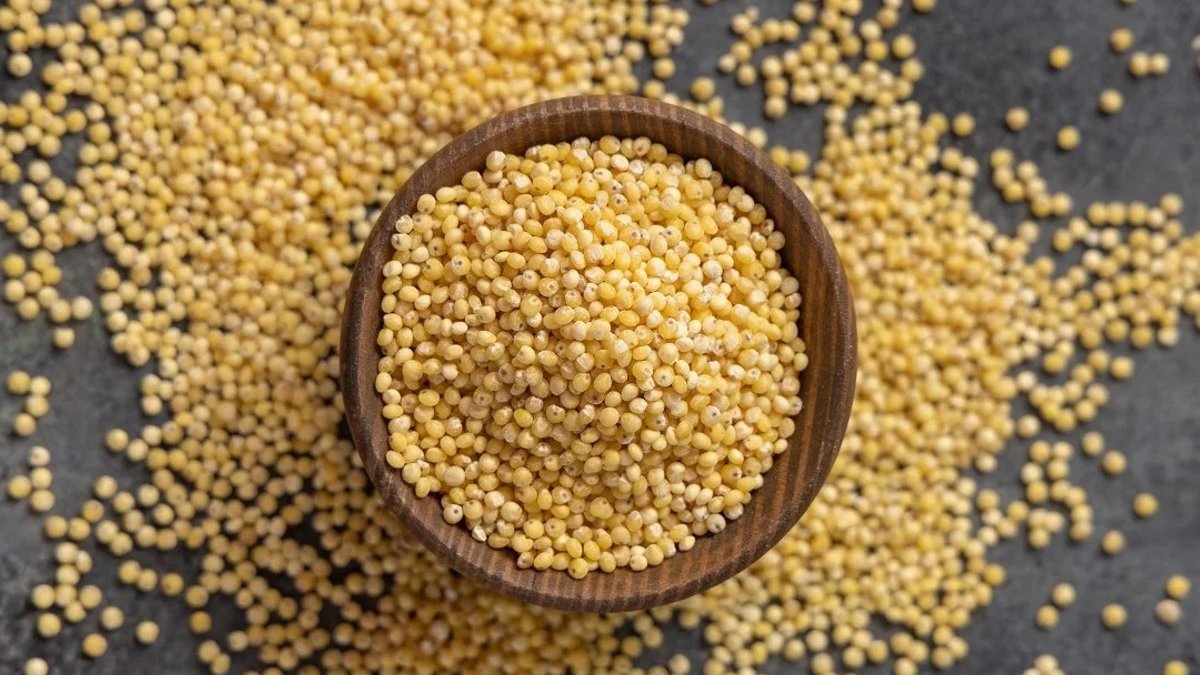
Toddlers who ate iron- and zinc-enriched pearl millet for nine months had better iron levels and gut health without the digestive problems often caused by iron supplements.
The study, published in Nature Communications, showed that children who consumed the enriched grain developed gut microbiomes with potential advantages. These included higher activity in microbial pathways that combat harmful bacteria and produce antioxidant compounds. The millet did not cause the digestive issues linked to iron supplements, such as diarrhea or constipation.
Gut health without the trade-offs
The research included 223 children aged 12 to 18 months in Mumbai, India, where iron deficiency and anemia are common. Scientists worked with local farmers to create a pearl millet variety with nearly three times the iron of standard millet and higher zinc content through traditional cross-breeding techniques.
Dr. Saurabh Mehta, the study’s lead researcher and founding director of Cornell University’s Joan Klein Jacobs Center for Precision Nutrition and Health, explained that the millet’s iron is naturally bound in food. This form may interact with the gut differently than supplements. “One is food-bound and closer to the body’s natural dose, rather than a high pharmacological dose,” he said.
After nine months, children who ate the enriched millet had lower levels of markers tied to harmful gut bacteria. Their microbiomes also showed increased activity related to natural antibiotic-like compounds and the breakdown of pollutants.
Related: South Korean trial links perilla oil to heart health in smokers
A food-based approach to nutrition
The results indicate that enriched crops could provide a sustainable alternative to supplementation programs. These programs often depend on infrastructure and consistent participation. Enriched foods, however, can be grown, prepared, and eaten like regular staples, making them easier to adopt.
Dr. Mehta’s group worked with SNDT Women’s University in India to create millet-based recipes. They also partnered with a Mumbai-based NGO to distribute the food across 20 study sites. This method, they believe, could help tailor nutritional solutions while tackling larger public health issues.
Iron deficiency affects about one in four people worldwide, with young children facing the highest risk. Long-term deficiency can harm brain development and weaken the immune system. While the study focused on iron and zinc, other research has delivered vitamin A through enriched crops. Those studies, however, did not examine gut microbiome effects.
Biofortification has shown promise before, but this study is among the first to explore its impact on gut health. The team cautions that while the results are positive, enriched crops cannot fully replace supplements. Instead, they may work alongside them, especially in areas with limited access to fortified foods.
Future studies over longer periods could determine whether these benefits last or apply to other nutrients. For now, the findings suggest how food-based solutions might change nutritional guidelines for children and, eventually, entire communities.


